Building UNDOMICILED, Frame by Frame
From a 35-page pilot to a 2:39 trailer
Max wrote the pilot himself, then built its trailer with three AI tools, a rule against gore and a frame-by-frame check on every clip.
Before there was a frame, there was a script. Max wrote the pilot for UNDOMICILED himself, according to the production notes: "Episode 100," 35 pages. The trailer that came out of it runs 2 minutes 39 seconds, with 48 cuts, at 1920x1080. It is embedded in the Undomiciled story on TCC Art Life.
Between those two documents sits a chain of AI tools, and the order matters. The writing came first, the tools came after, and every clip had to pass a frame-by-frame check before it reached the edit.
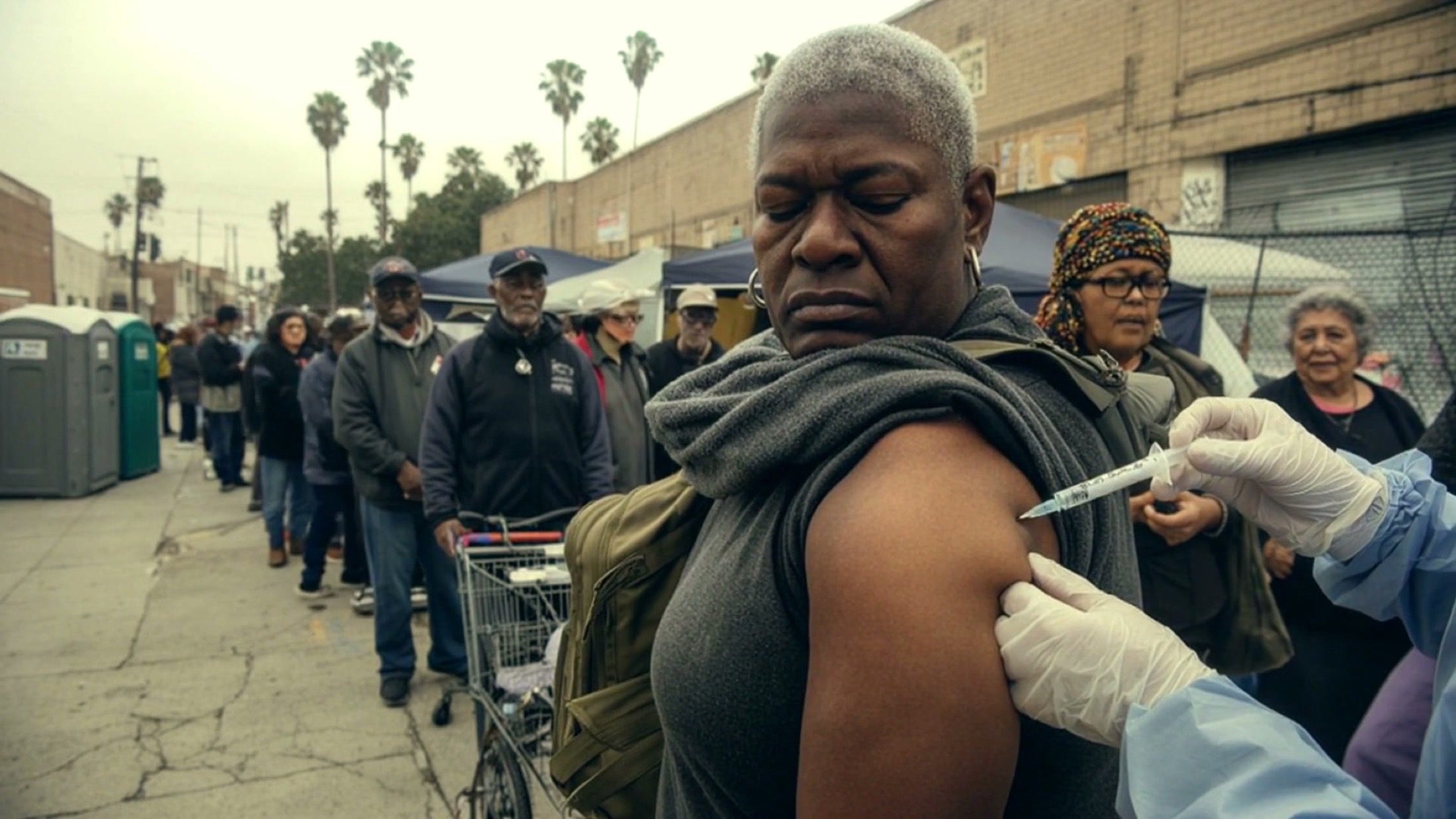
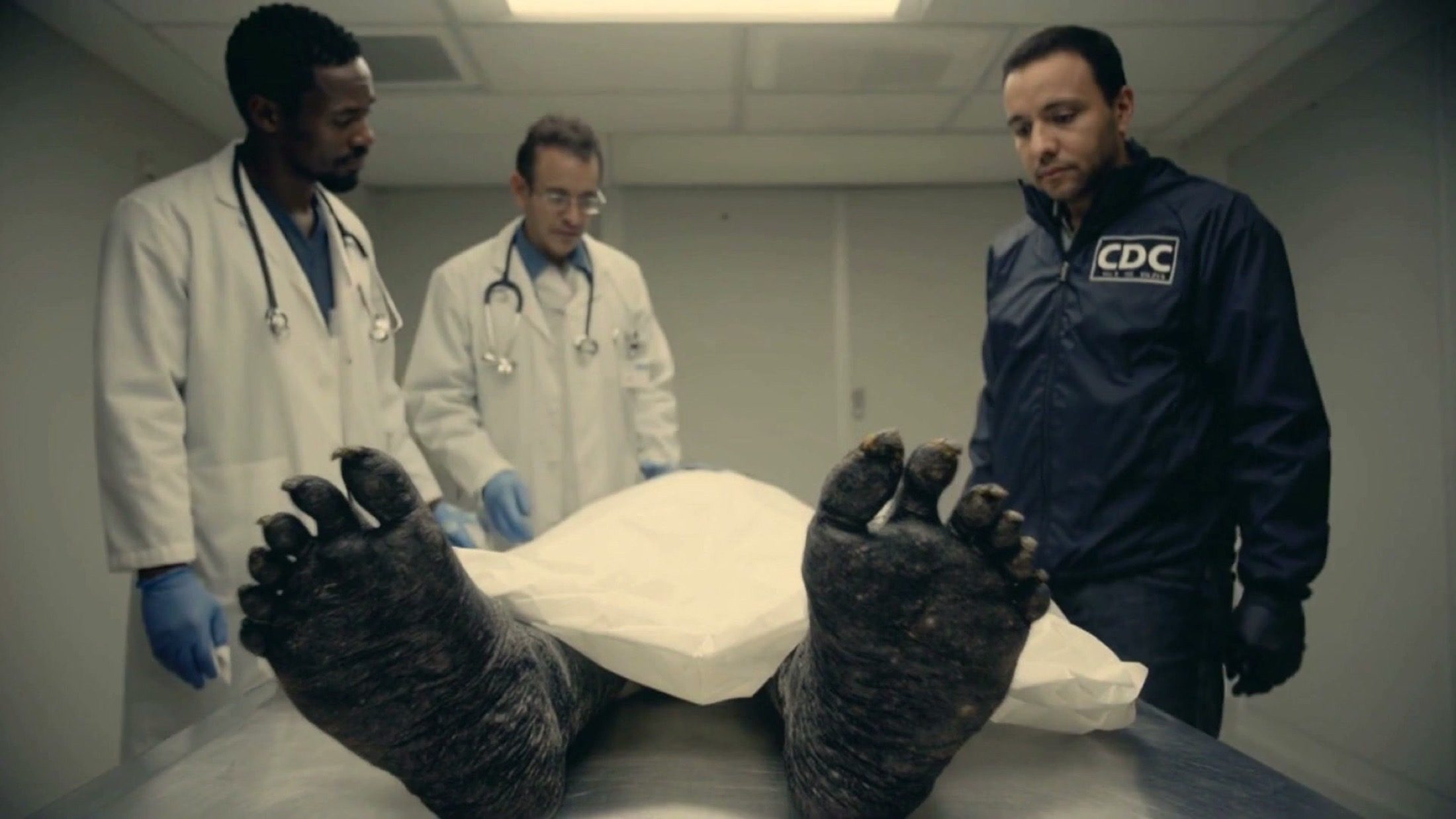
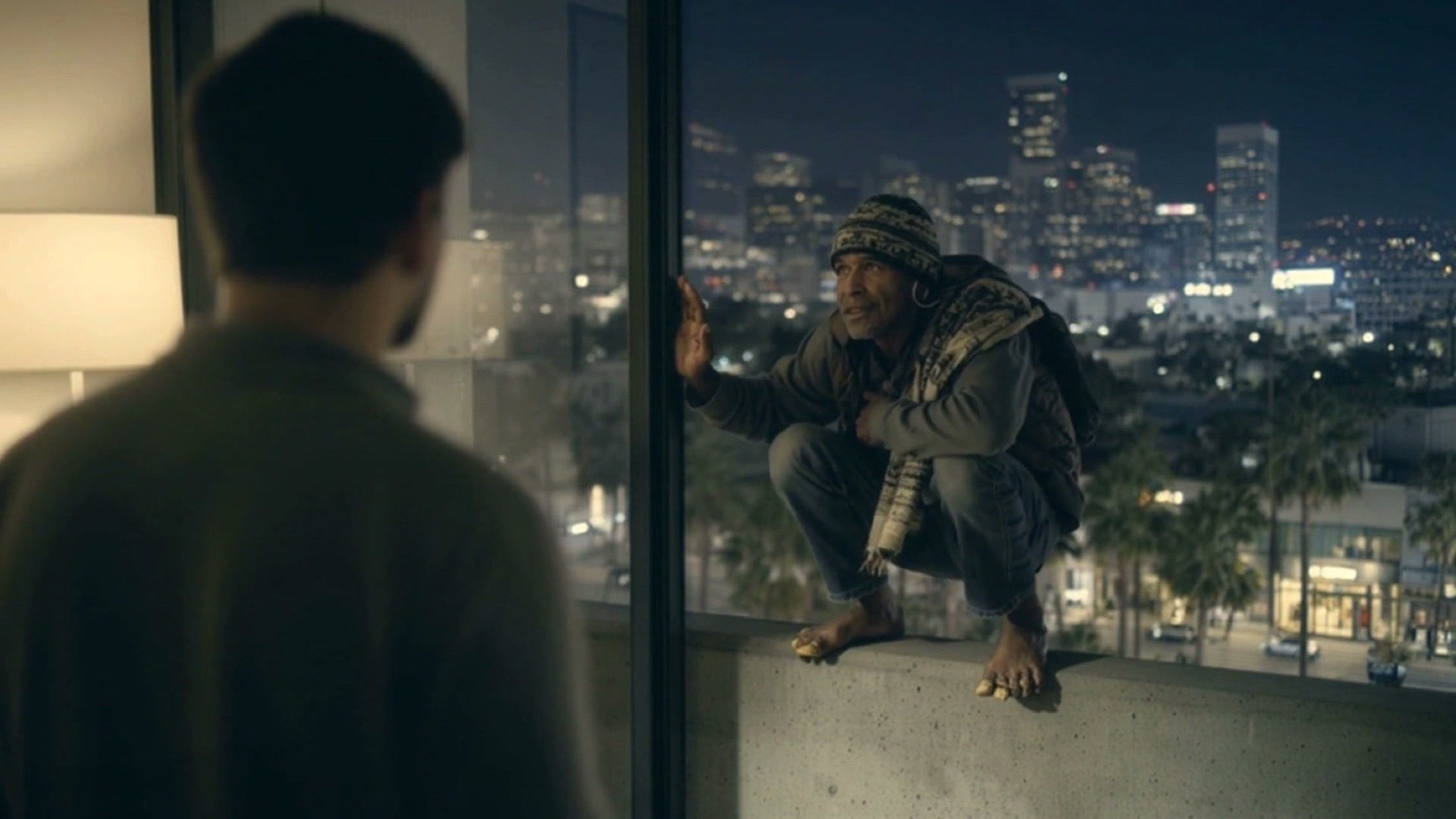
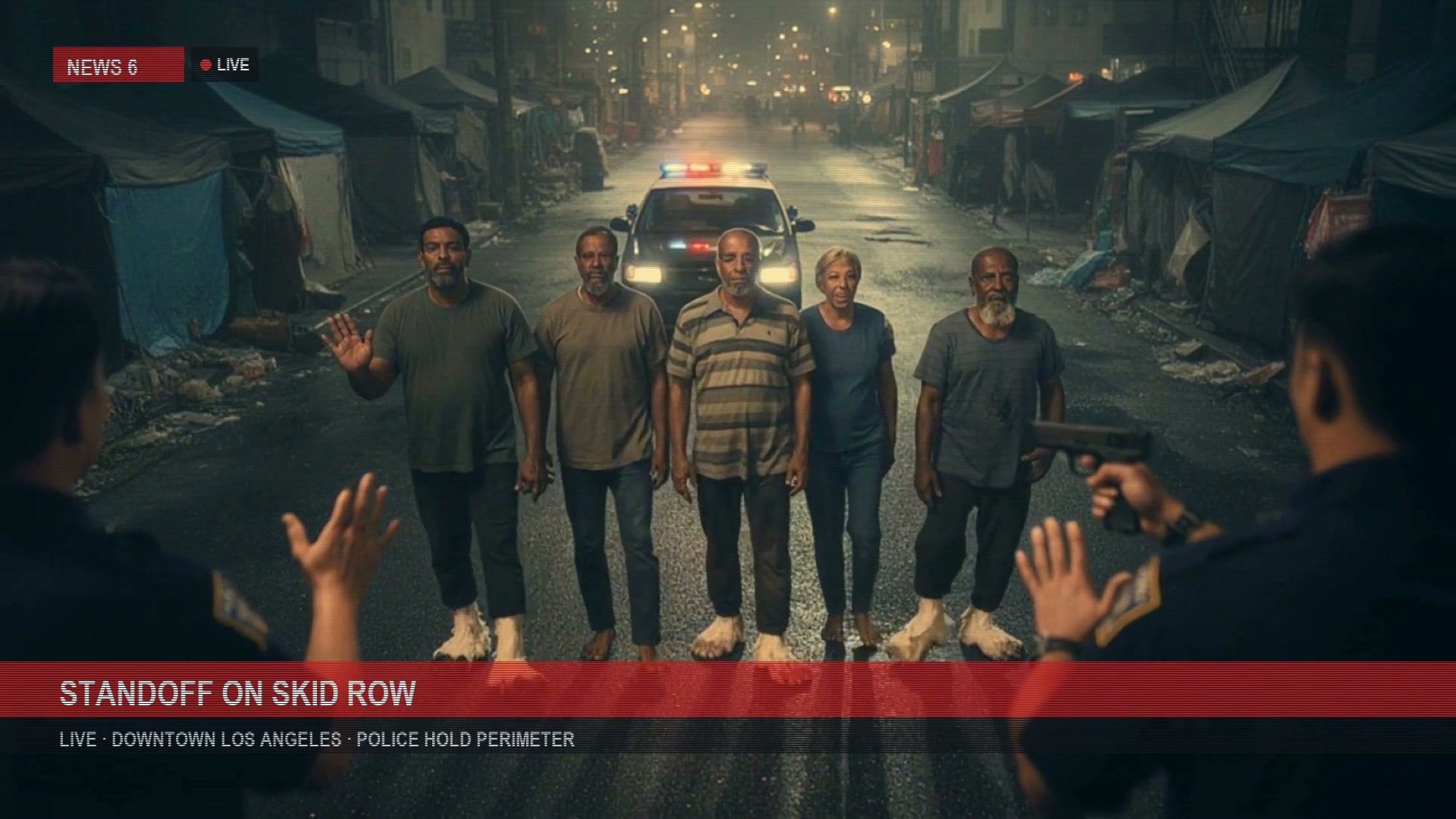
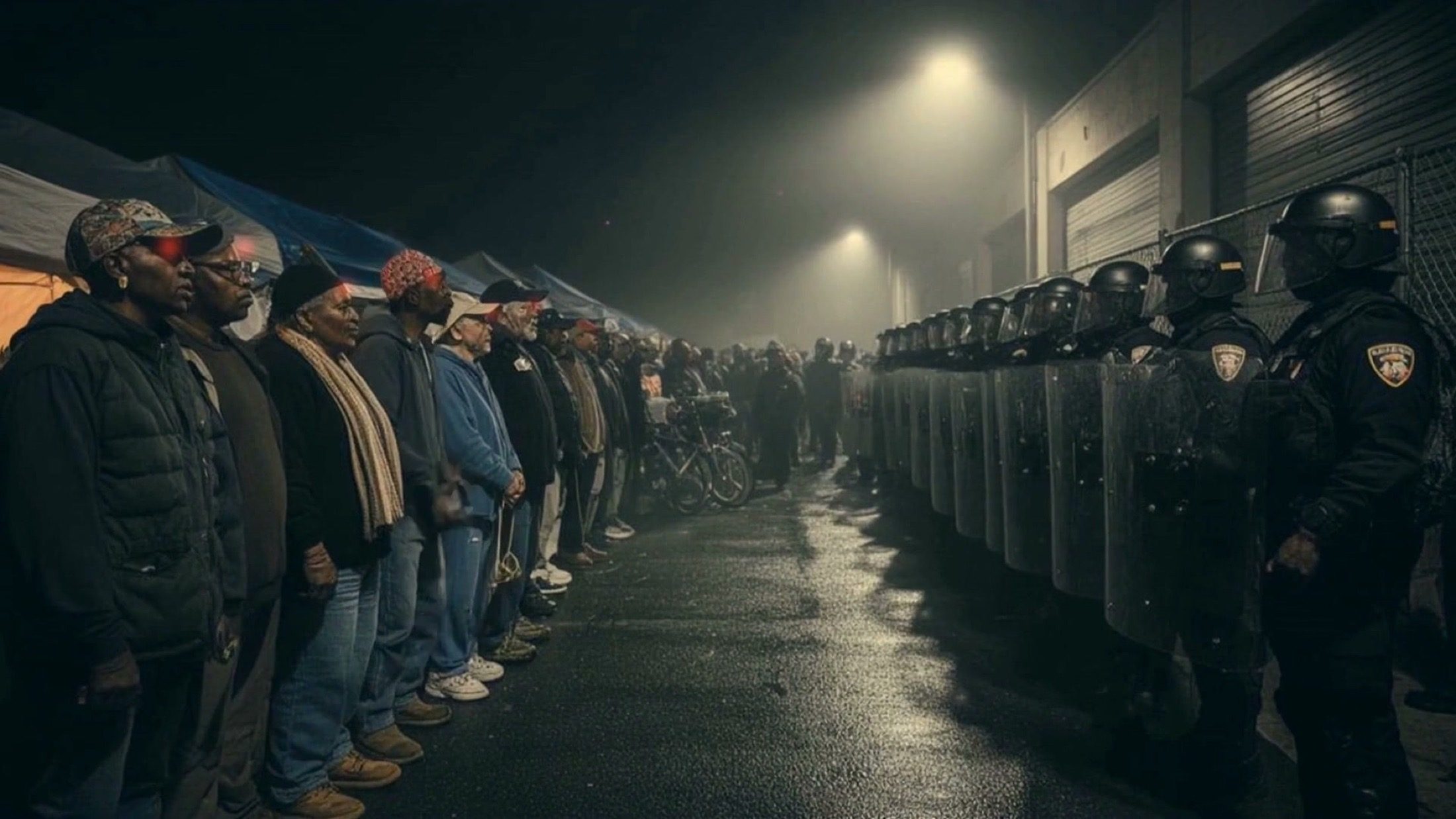
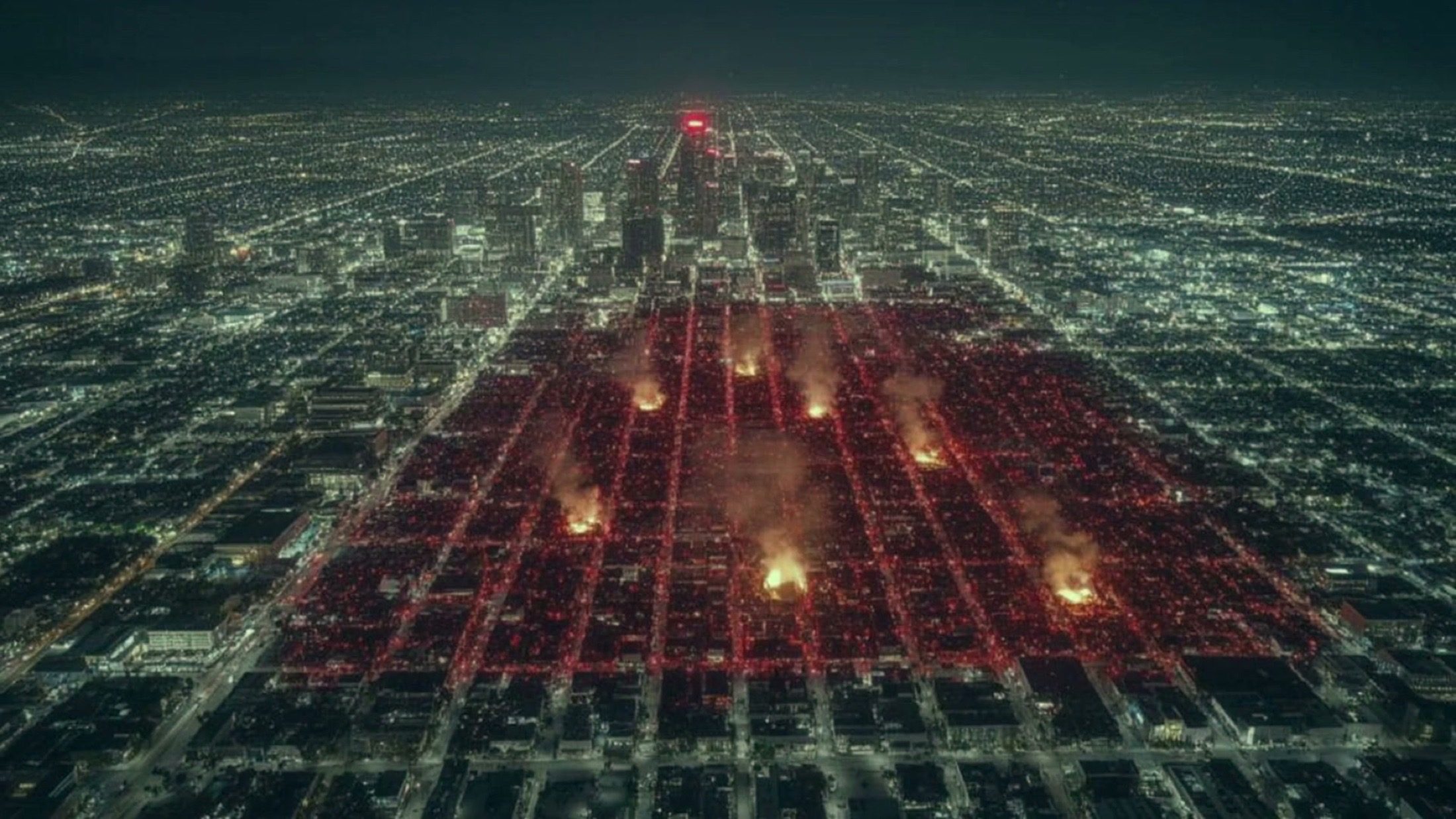
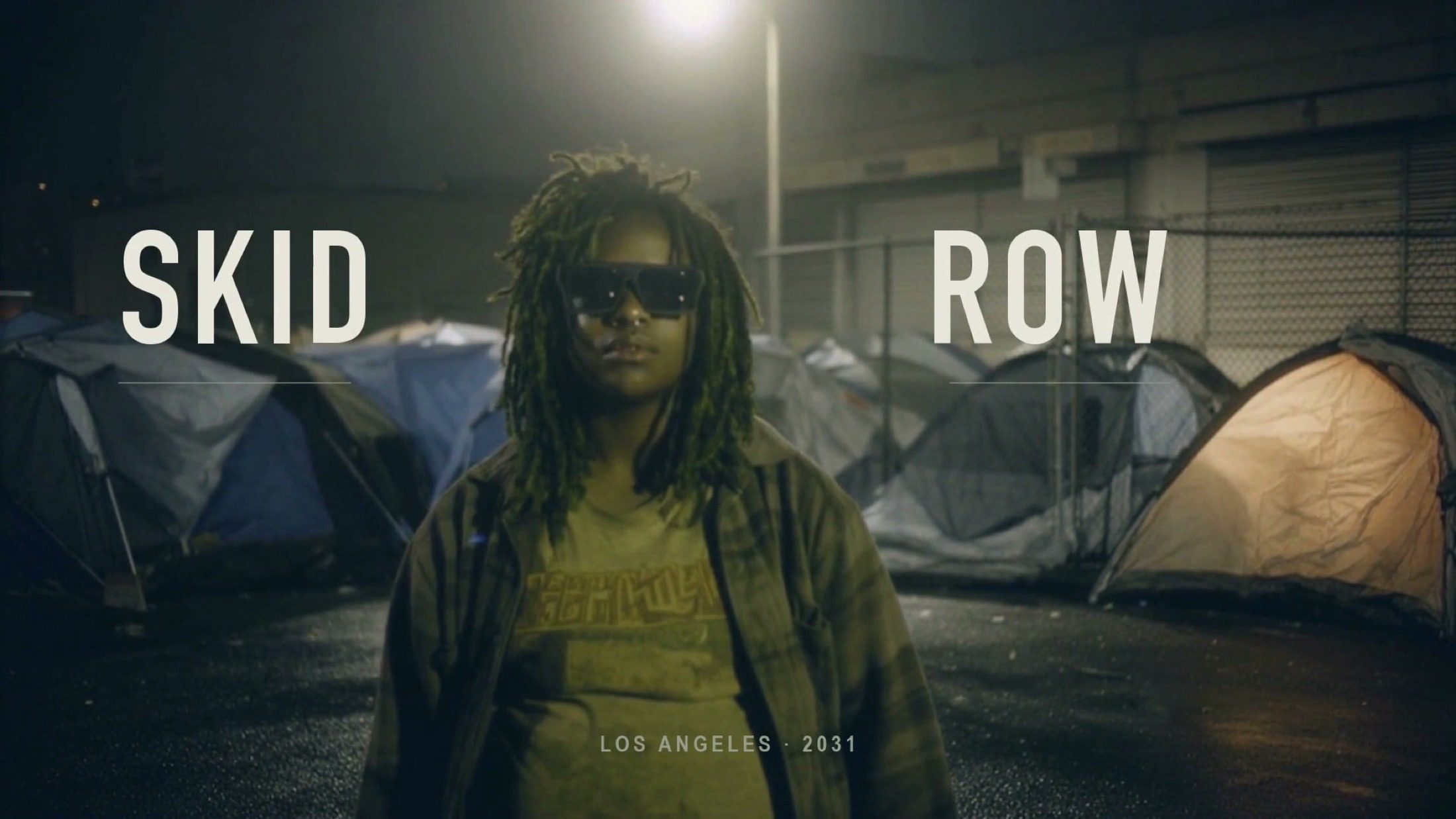
Start with the story. The notes give the pilot's logline: two years after a panic-driven experimental vaccine "cured" the Undomiciled Virus, unhoused people in LA begin moving as one, "impervious, silent, synchronized," and the city learns what "We are you, you are us" means. It is set on a near-future Skid Row.
The trailer is fiction. Homelessness in Los Angeles is not. In its finalized 2025 count, published October 20, 2025, the Los Angeles Homeless Services Authority estimated that 43,695 people were experiencing homelessness in the City of Los Angeles.
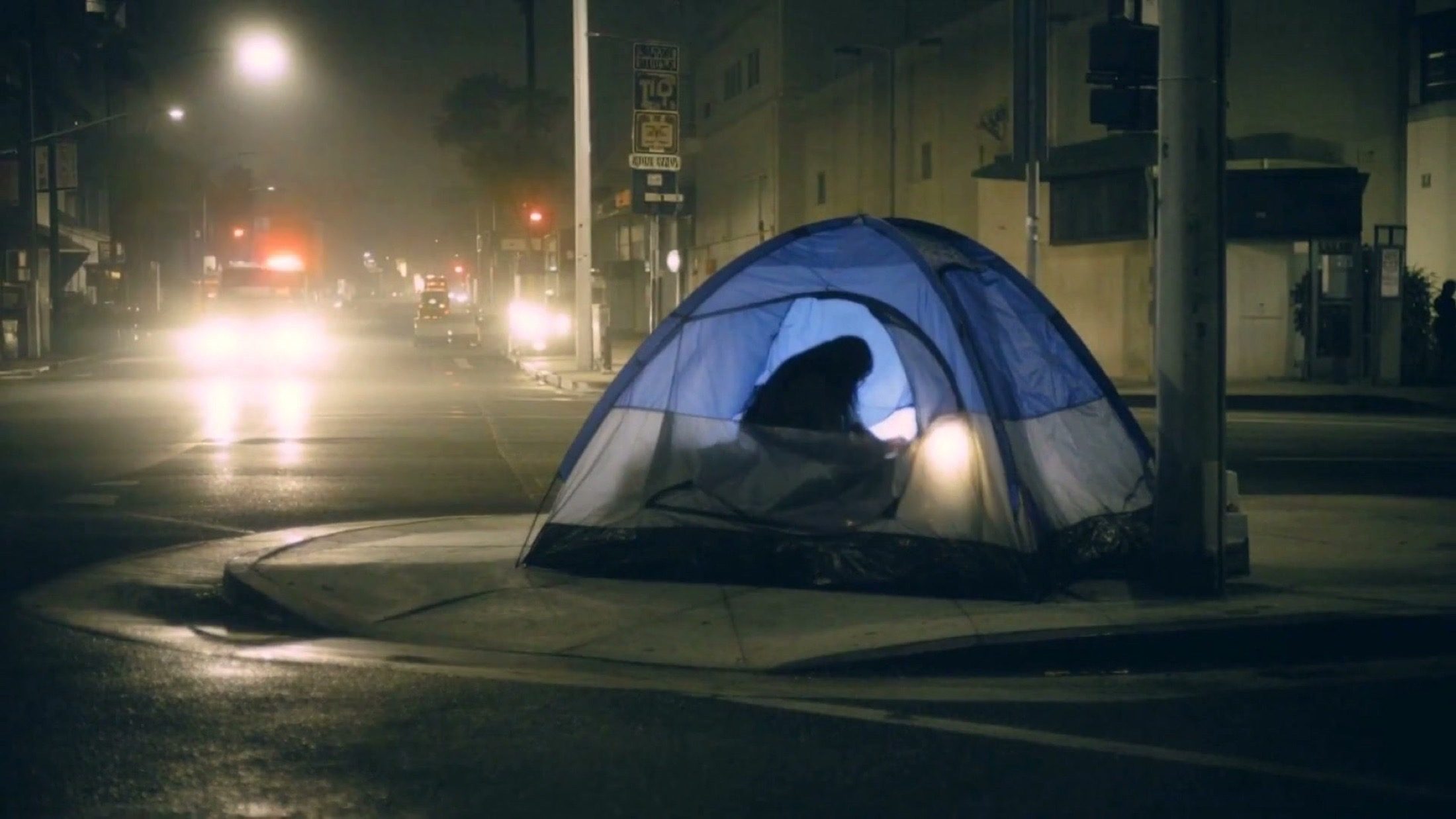
From the pilot, Max broke the trailer into six movements: The Wound, Something's Wrong, The Stand, The March, Be Free and The Break. That came to about 28 shots and five principal characters: Terry, a doctor; Jackie; Officer Wolf Chief; Officer Nelson; and the woman in the blue tent. A breakdown like this is the plan that turns pages into pictures. Every tool after it worked from that plan.
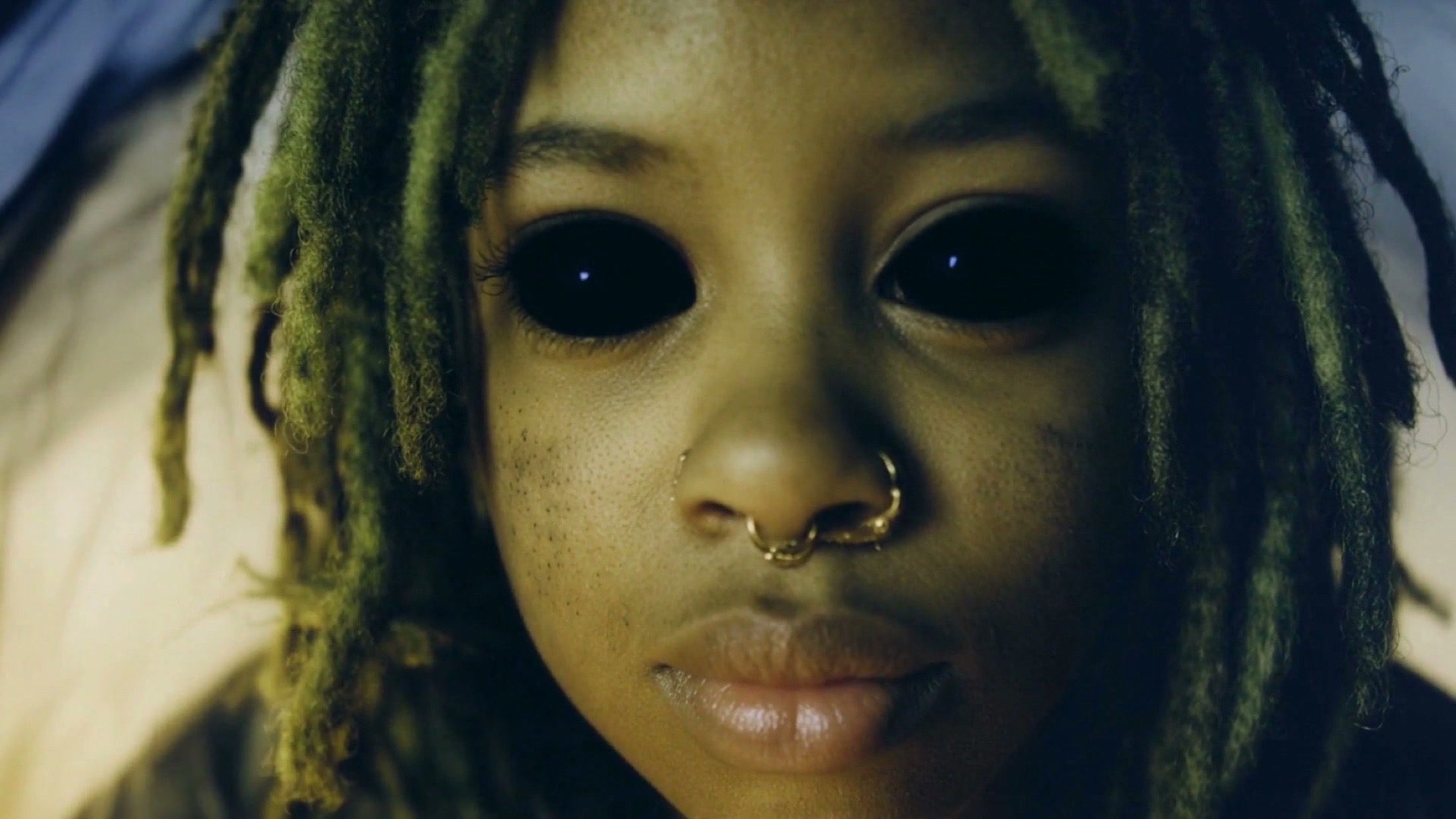
Next came the faces. Before anything moved, each lead's look was fixed in still images, a step the notes call a character "lock." The stated reason is simple: so faces stay the same from shot to shot.
The production notes call the toolset a "realism stack," locked on July 29, 2026. It has three parts.
FLUX.2, from Black Forest Labs, made the photoreal character stills. The company published it on November 25, 2025. It says the model can reference up to 10 images at once, and it claims "the best character / product / style consistency available today." That is Black Forest Labs' own claim, not an independent test.
Kling 3.0 Omni was the animation workhorse. Kuaishou announced its Kling AI 3.0 models on February 5, 2026. Per the company, Video 3.0 supports clips up to 15 seconds. It also says the Omni model lets creators upload a reference video so the system can extract a character's visual traits and voice characteristics and carry them into new scenes.
Seedance 2.0, run through fal.ai, handled about six hero action beats: the cruiser flip, the charge, rooftop drops, the stand and the run. fal describes it as ByteDance's video model, launched April 9, 2026. Its image-to-video version takes a still image and animates it, and it can also take an end frame for a start-to-end transition. fal lists the standard-tier price at $0.3024 per second of output. At that rate, a 10-second clip costs about $3.02 each time it is generated.
According to the notes, the stack was chosen to avoid the "beautiful-face" bias of other image tools.
Then came the rules, which were Max's, not the software's. Action is suggestive, not graphic. The notes spell out what that means: muzzle flashes, cutaways, dread over gore. No blood. No on-screen kills.
Then came the checks. Every clip passed a frame-by-frame review before assembly. The checklist covered eyes, hands, teeth, watermark, face match to the lock, and continuity. A few fixes are on record. One stray dog was removed from a shot with an image edit. Eye glow was corrected clip by clip.
The sound is simpler on paper. There are two voice-over parts, a news anchor and Jackie. Max supplied the music track himself.
For anyone building work this way, the rights question comes next. In Part 2 of its report on AI, released January 29, 2025, the U.S. Copyright Office concluded that generative-AI outputs can be protected by copyright "only where a human author has determined sufficient expressive elements." The Office says those elements can include creative arrangements or modifications of the output, "but not the mere provision of prompts." It also says that using AI to assist in creation, or including AI-generated material in a larger human-generated work, "does not bar copyrightability." How that applies to any single project is a question for the Office and for a lawyer. The full report is on copyright.gov/ai.
Thirty-five pages went in. Two minutes and thirty-nine seconds came out. The dog did not make the cut.
“The writing came first, the tools came after.”
- FLUX.2 announcement, Black Forest Labs
- Kling AI 3.0 launch release, Kuaishou
- Seedance 2.0 on fal
- fal Seedance 2.0 API (pricing and endpoints)
- U.S. Copyright Office: Copyright Office Releases Part 2 of AI Report (Jan. 29, 2025)
- U.S. Copyright Office: Copyright and Artificial Intelligence
- LAHSA finalized 2025 Homeless Count results