Is the Live Show Dying?
Fire, lasers and a field of phones
Max Luger's frames from a Dom Dolla show in October 2024 frame the question: as AI floods streaming, is the room losing, or winning?
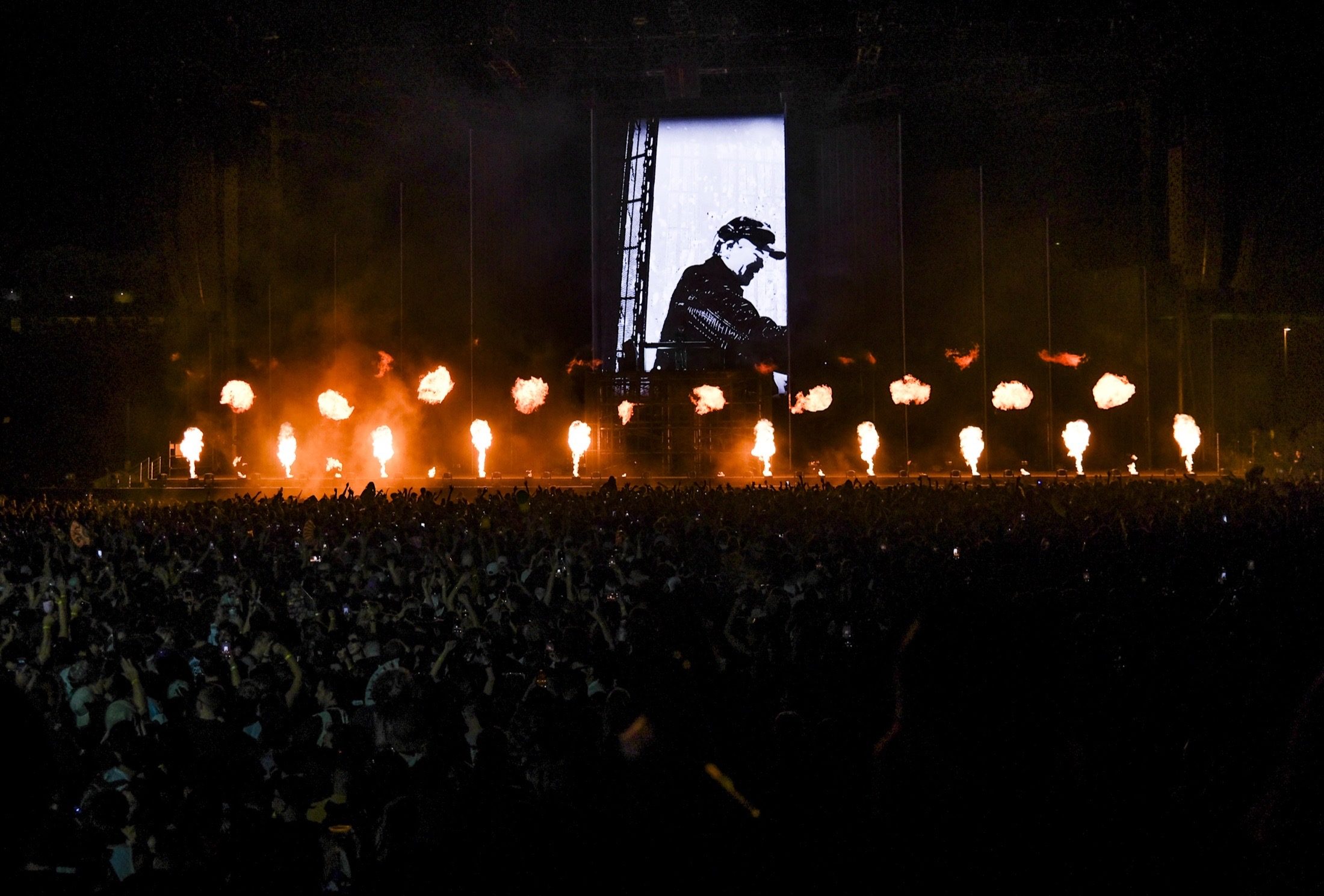
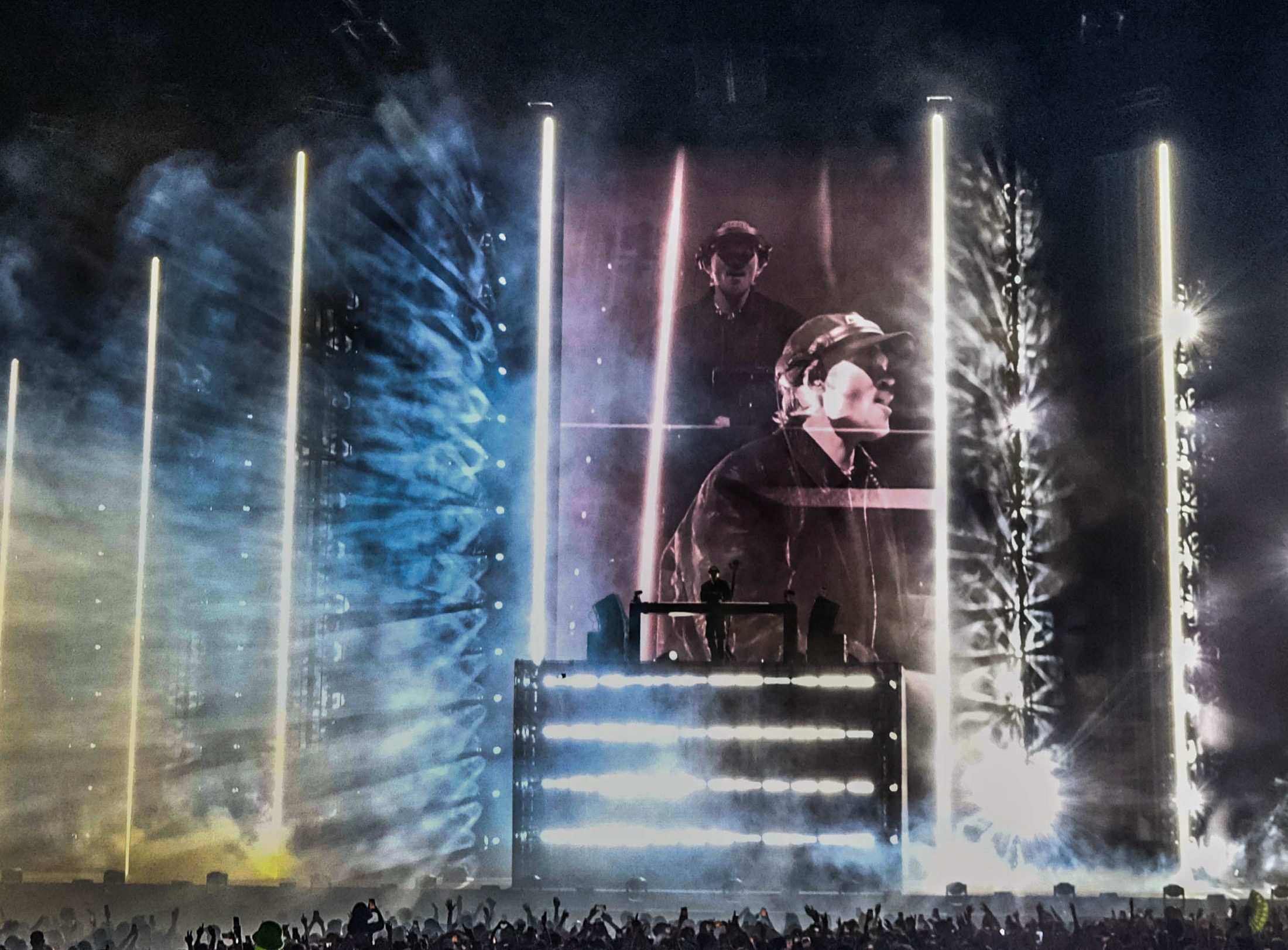
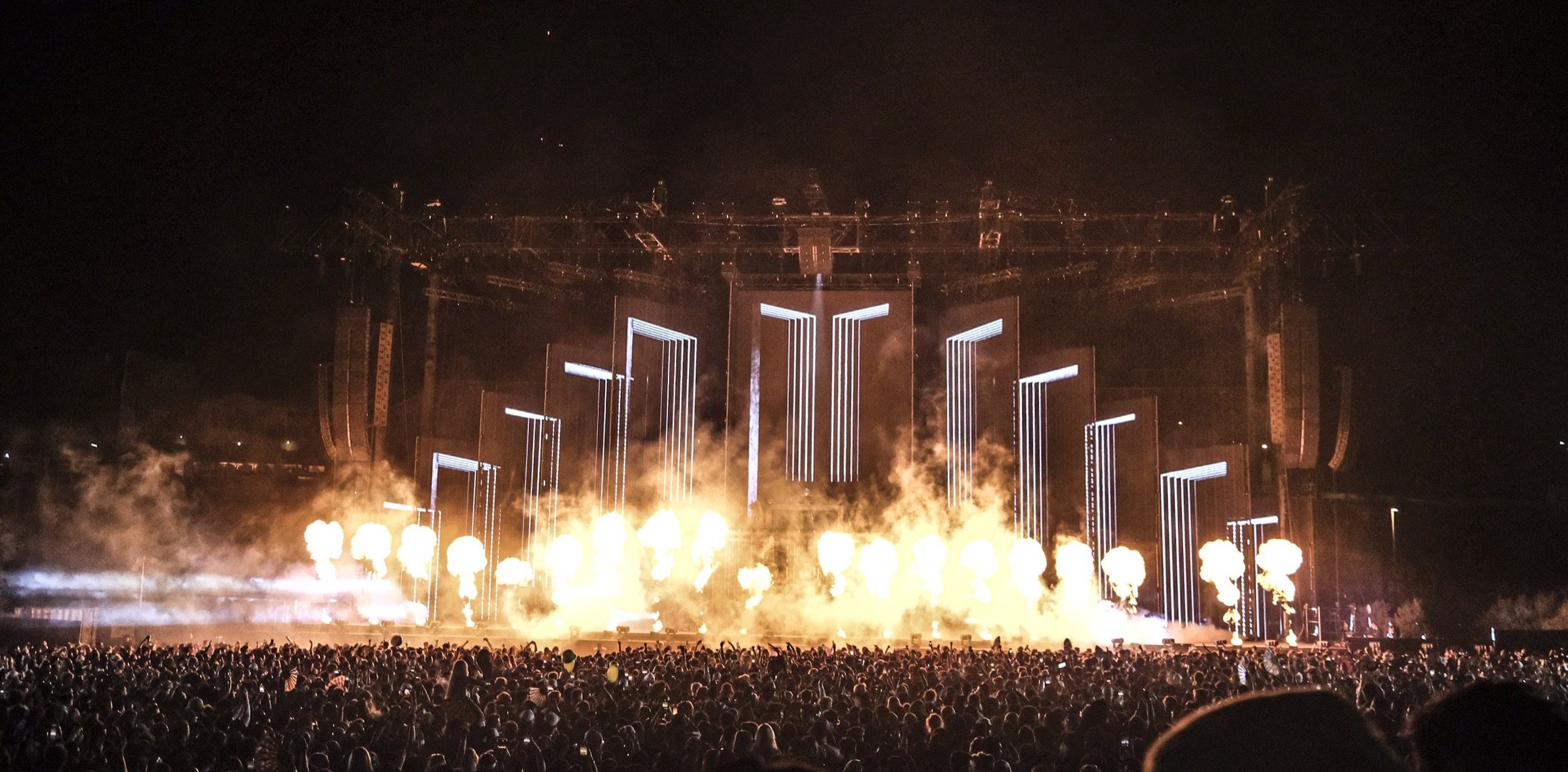
Fire first. In one of Max Luger's frames from a Dom Dolla show in October 2024, rows of orange flame bursts line the front of a dark outdoor stage. Above them, a tall black-and-white screen carries Dom Dolla in his cap. Below, a dense crowd raises arms and phones.
Max's question starts with those phones. Is the live show dying because everyone is so online? With AI musicians on streaming services and AI images everywhere, does the night in front of a stage become a thing of the past? Or does it grow, because people are tired of a feed full of things no person made?
We went looking for current numbers from 2025 and 2026, and they do not point in one direction. By the biggest promoter's own count, demand for the big rooms is still climbing. The smallest rooms are earning less per show. AI music now makes up more than half of daily uploads at one major streaming service and a sliver of what people actually play. A growing list of artists and promoters are asking crowds to put their phones away. The live show is not dying. It is splitting.
Start with the big rooms, and with who is talking. In its full-year 2025 results, Live Nation said fan attendance rose 5% to 159 million, "driven by growth in activity at stadiums and across international markets." The company said international markets beat the U.S. in fan count for the first time. By early February, ticket sales for its 2026 concerts were up double digits, to roughly 67 million fans. Chief executive Michael Rapino said: "With a deep pipeline of large-scale shows and ticket demand continuing its ascent, we are positioned for another year of double-digit operating income."
That is a company describing its own year, so read it that way. One number in the same release works as a reality check. Live Nation said its concerts business had record results, with adjusted operating income of $687 million, up 30%, at a margin of 3.3%. The company calls that margin its best ever. Record or not, 3.3% is a thin slice.
Pollstar, which tracks the touring business, saw a cooler 2025. Its year-end analysis found the Top 100 worldwide tours grossed less than the year before, "a correction of sorts with overall grosses landing 6.1% short of the 2024 worldwide total." Tickets sold by those tours fell 3.7%, though that was still almost 10 million more than in 2019. Fans feel the prices most. Pollstar's average Top 100 ticket was $96.17 in 2019. It crossed $100 for the first time in 2022, at $106.07, and peaked at $135.92 in 2024. In 2025 the average stadium ticket cost 18.3% more than in 2024. Live Nation, for its part, says 75% of U.S. tickets were available for under $100. Both can be true: the cheaper seats exist, and the average stadium ticket still climbed.
The other end of the scale looks different. Pollstar's smallest venue category, rooms that seat 750 or fewer, averaged $10,627 per show in 2025, down 5.3% from 2024. Over three years, that average gross per show is down 18.6%. In this data, the decline is not in the stadiums. It is in the small rooms.
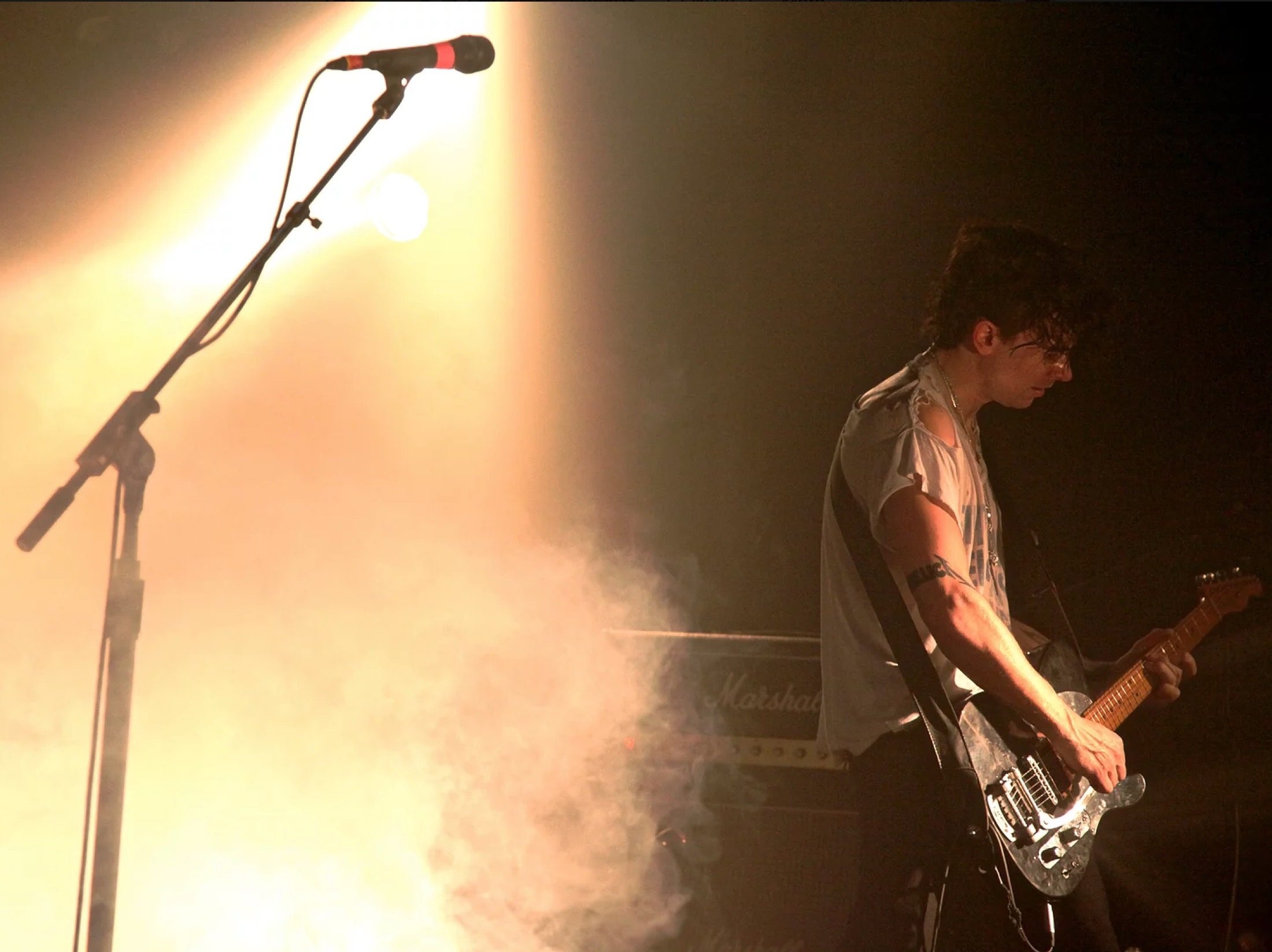
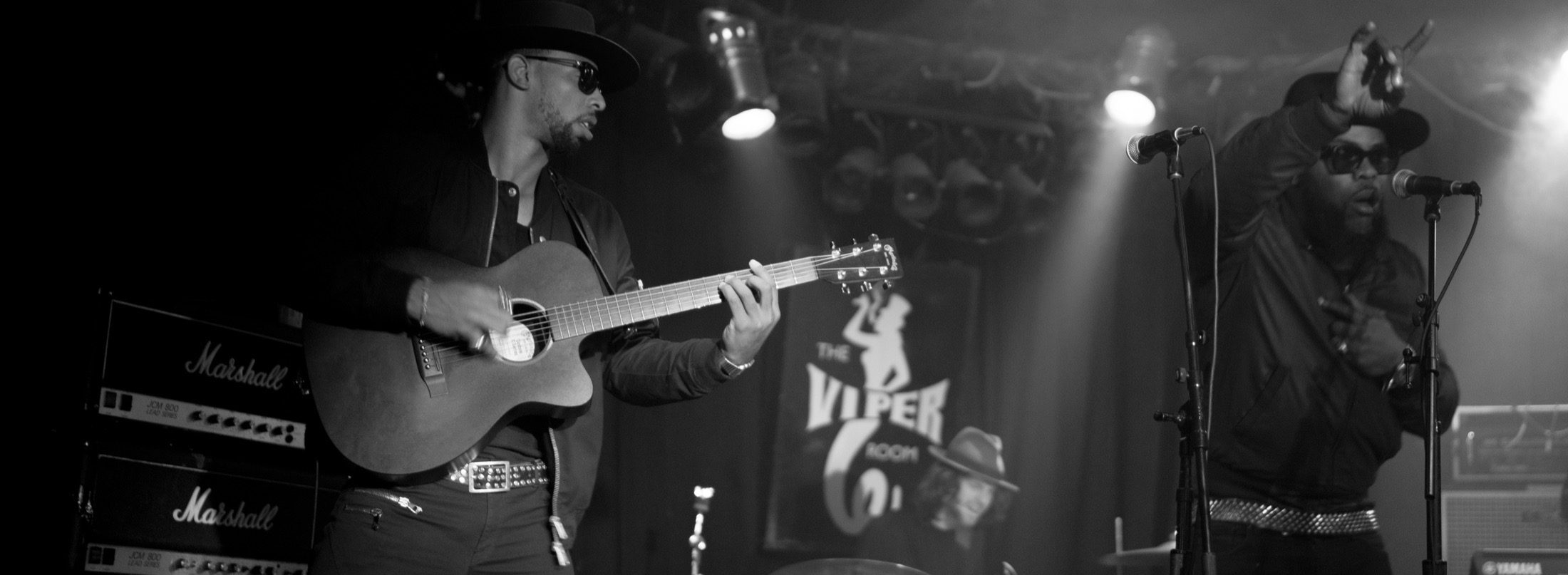
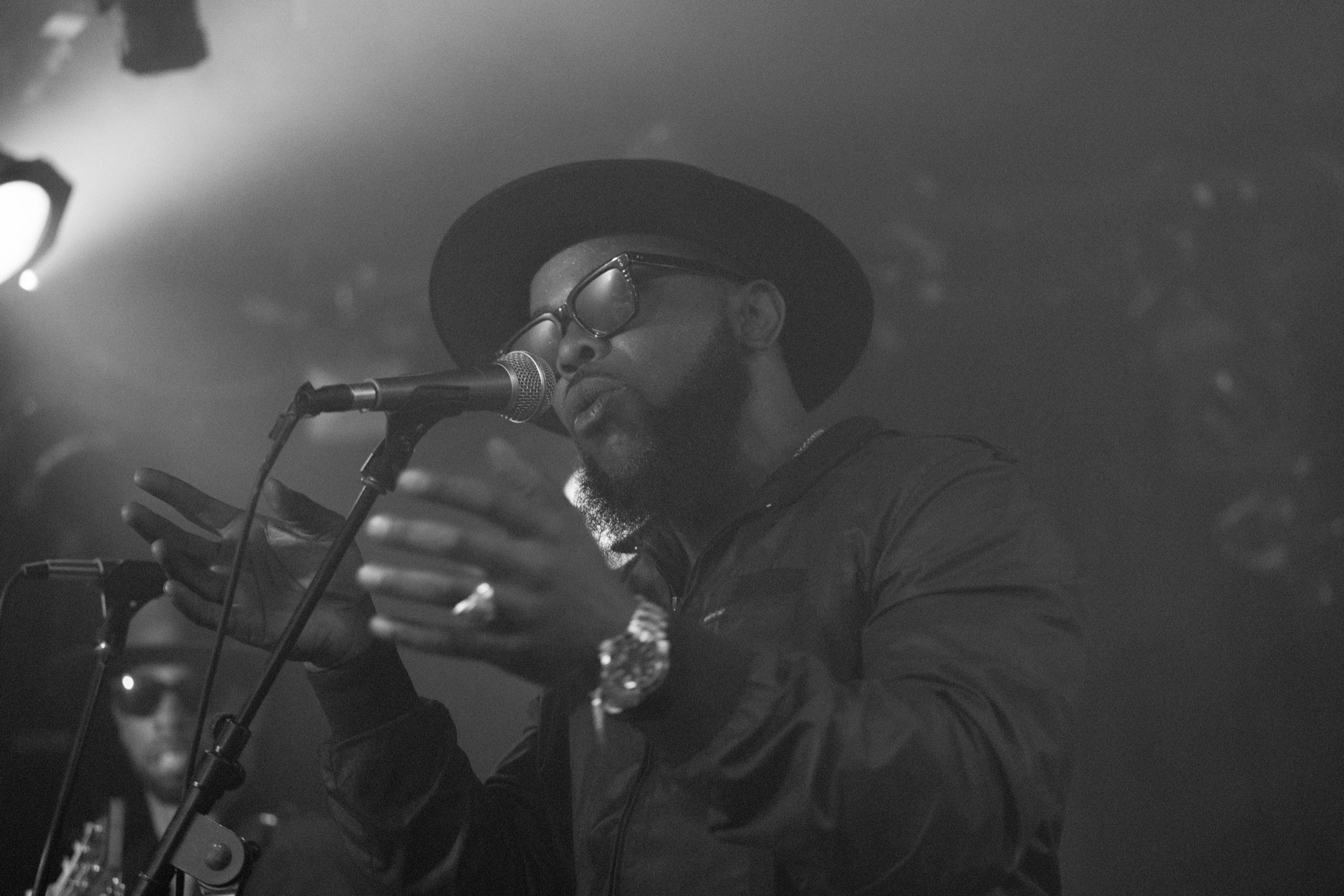
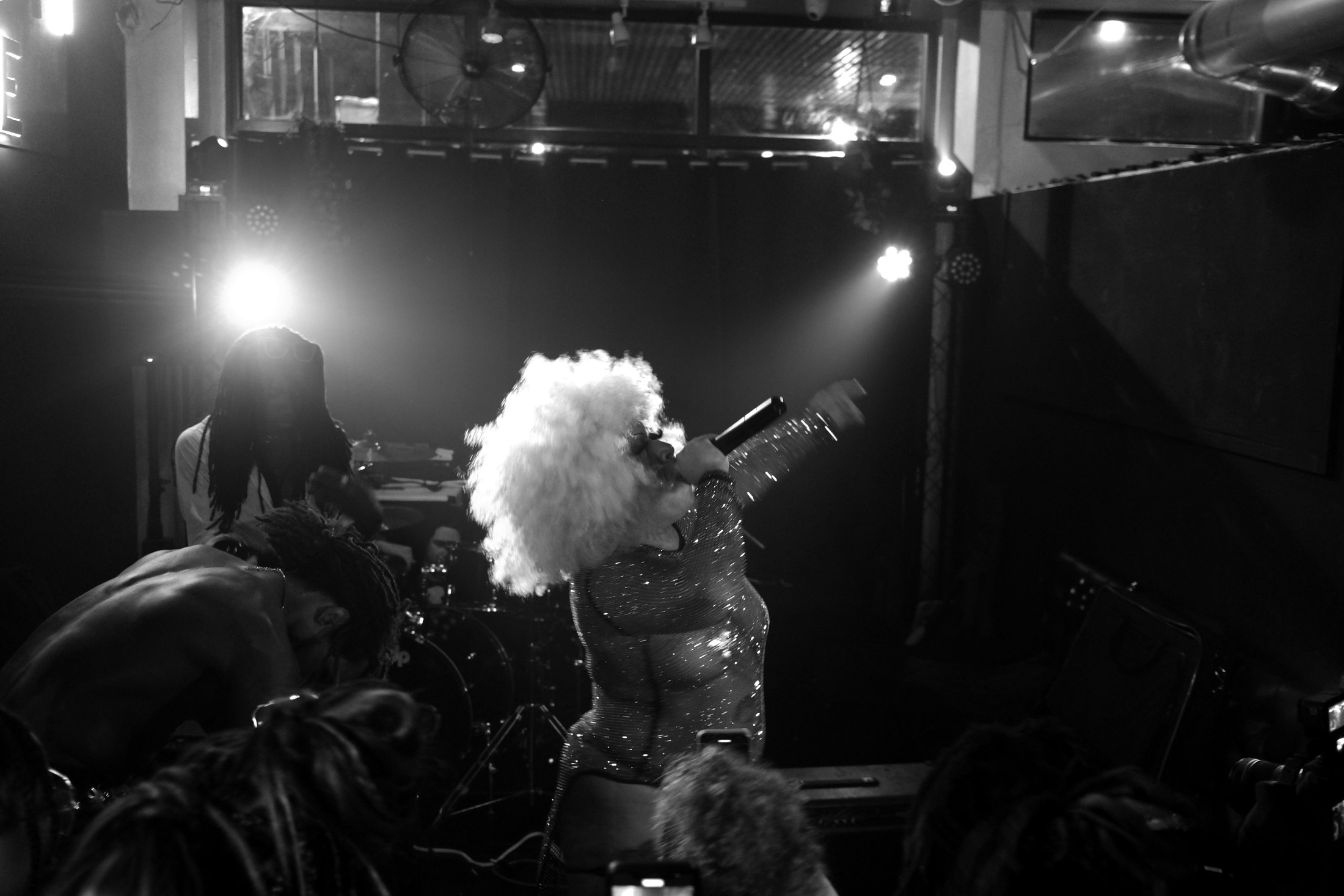
Max has those rooms in his archive. Two black-and-white frames from a small room in 2018 show a guitarist in a brimmed hat and sunglasses playing acoustic beside Marshall amps, while a singer in a hat gestures at the microphones under spotlights. The second frame moves in close: the bearded singer, hands out, at the mic in hazy light, a musician blurred behind him. No lasers, no screen. The light is a few spotlights and some haze. That small-room side of live music is the subject of our <a href="/stories/underground-brooklyn/">Underground Brooklyn</a> story, and the Pollstar numbers say it is the side that needs the most attention.
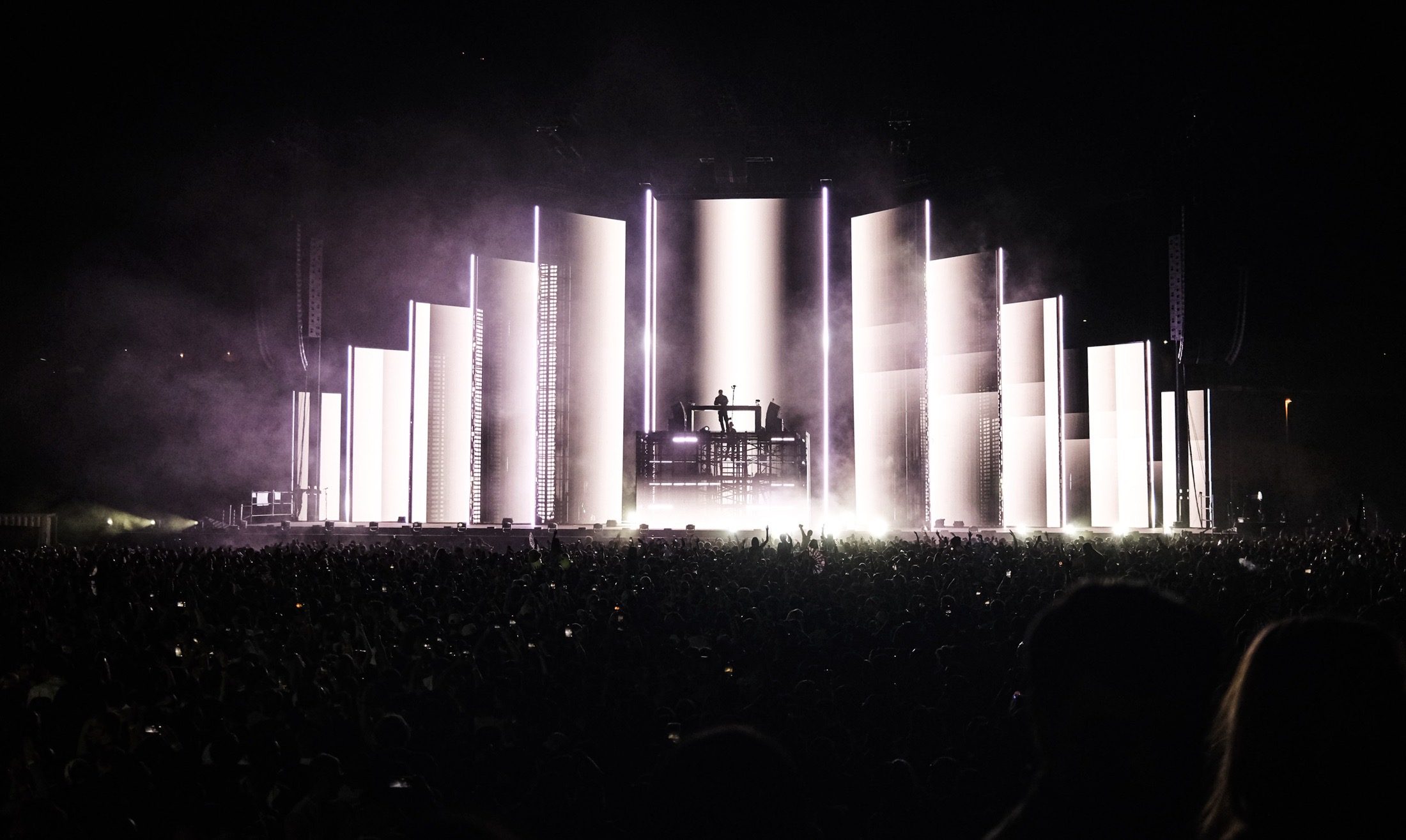
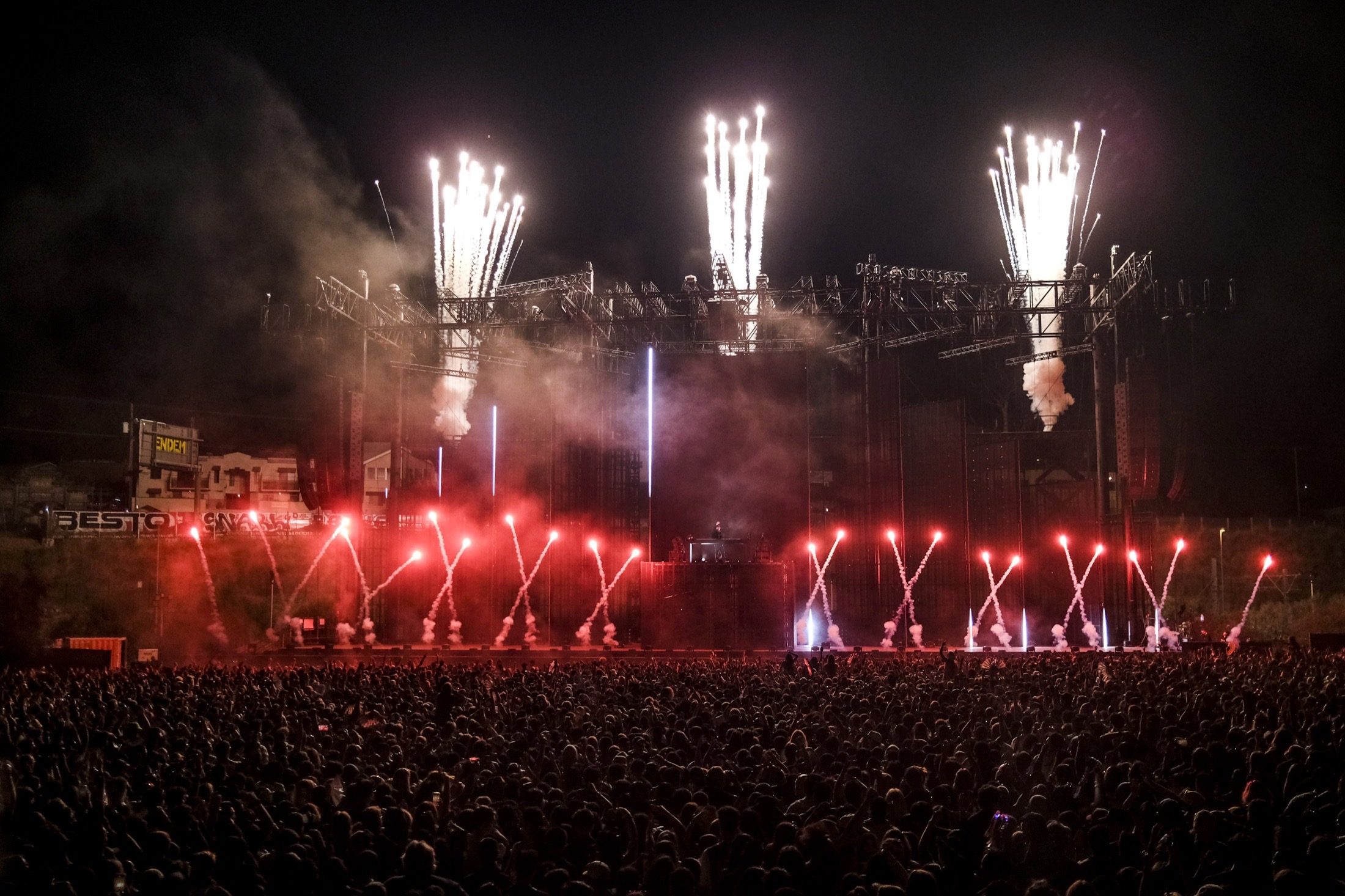
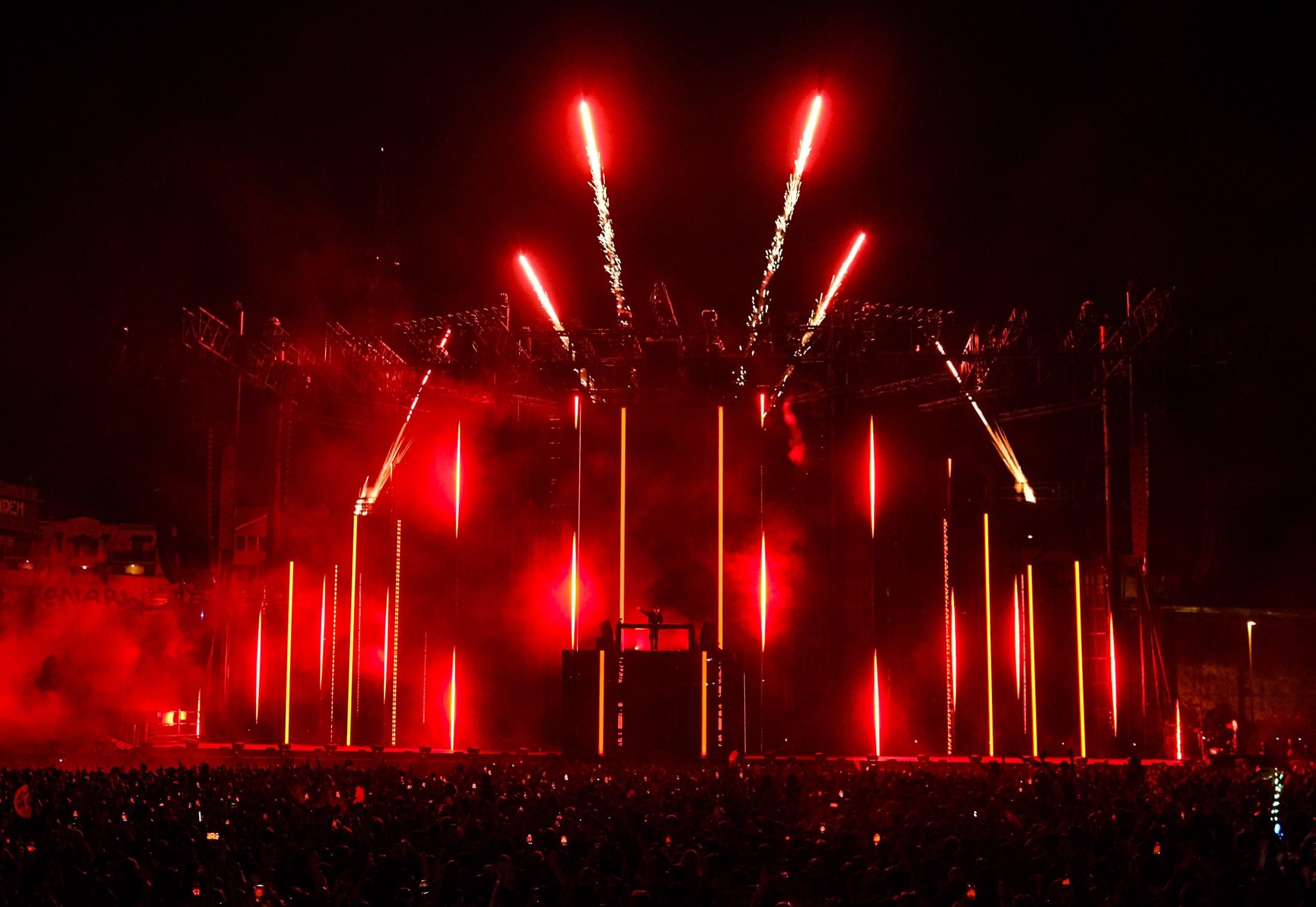
Back at the Dom Dolla show, the scale runs the other way. In one frame, a lone silhouetted figure stands at a raised booth between tall glowing white panels and drifting haze, facing a vast dark crowd. Max keeps the figure small. One person and a crowd in the dark is the oldest arrangement the live show has, and to us it is still its strongest argument. In another frame, white firework fountains rise above the scaffold while red-tipped sparks cross in X shapes along the stage front, over a crowd with raised hands.
Now the online side of the question. The AI flood is real. Deezer reported in July 2026 that AI-generated tracks had, for the first time, passed half of all daily new music deliveries to the service. It now receives nearly 90,000 fully AI-generated tracks a day, more than half of daily deliveries on peak days. The listening is another matter. Deezer says fully AI-generated music accounts for only 1 to 3% of streams, and that up to 85% of the streams on those tracks were identified as fraudulent in 2025.
AI can still fool people. The Guardian reported in July 2025 that The Velvet Sundown went viral, with more than 1 million Spotify streams in a matter of weeks, and released two albums before admitting that its music, images and backstory were created by AI. In a November 2025 Ipsos survey commissioned by Deezer, 97% of respondents could not tell AI-generated music from human-made music in a blind test. In the same survey, 80% agreed that 100% AI-generated music should be clearly labeled to listeners.
Our read: a recording can now be faked well enough to pass. A person standing on a stage in front of you is much harder to fake. That is where the case for live music gaining from AI frustration begins.
Platforms are starting to pick sides. TIDAL announced in June 2026 a policy that stops fully AI-generated music from making money on its platform, effective July 15, 2026. Its editor-in-chief, Tony Gervino, said: "AI’s takeover of the music industry (and your recommendations) isn’t inevitable if we take even greater steps now to monitor and control it." The live business is not staying out of AI, though. Live Nation says nearly all of the new ticketing features it is building use artificial intelligence. AI is already part of live music, at the box office.
The phones are the other half of the 'too online' worry, and artists are pushing back. CNN reported that Fred Again and Harry Styles both took steps in early 2026 to stop fans filming their shows. It named Sabrina Carpenter, Billie Eilish, Adele and Childish Gambino among the artists who have asked fans to put cameras down. CNN also noted the counterpoint: "Viral clips from concerts can provide a boost to performers, be it by driving more ticket sales or by simply keeping them at the heart of the conversation."
The phone-free night is becoming a draw of its own. Citing Eventbrite, the Globe and Mail reported that the number of phone-free events rose 567% internationally between 2024 and 2025, and attendance rose 121%. In a separate survey the paper cited, 49% of Gen Z and millennials said they wanted live experiences to feel more authentic and less curated. Phoebe Bridgers announced in June 2026 that her 2026 arena world tour would be entirely phone-free. Max Ward, founder of the phone-free nightlife company Before the Internet, put the trend down to "a fatigue with the way things have been."
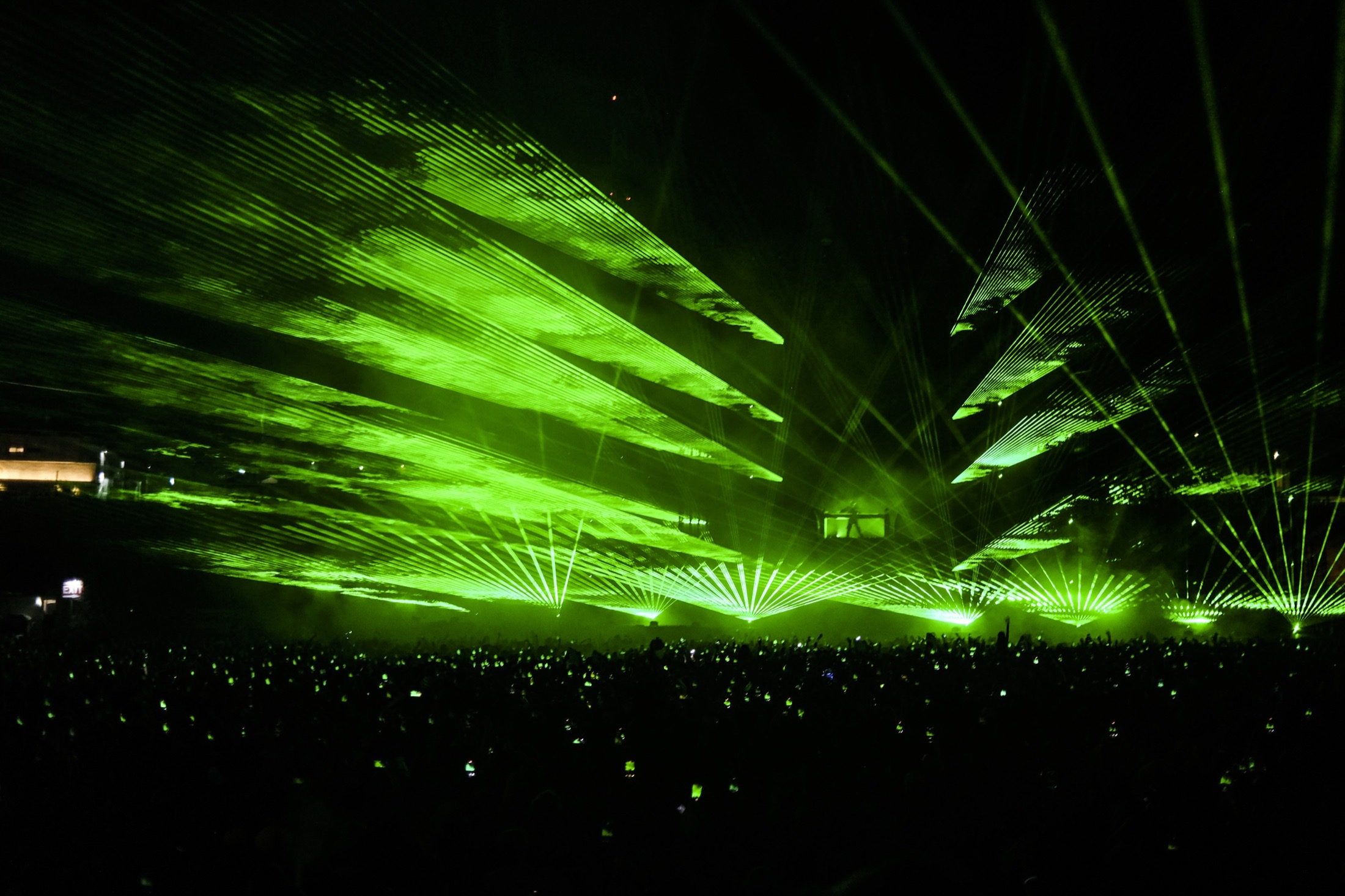
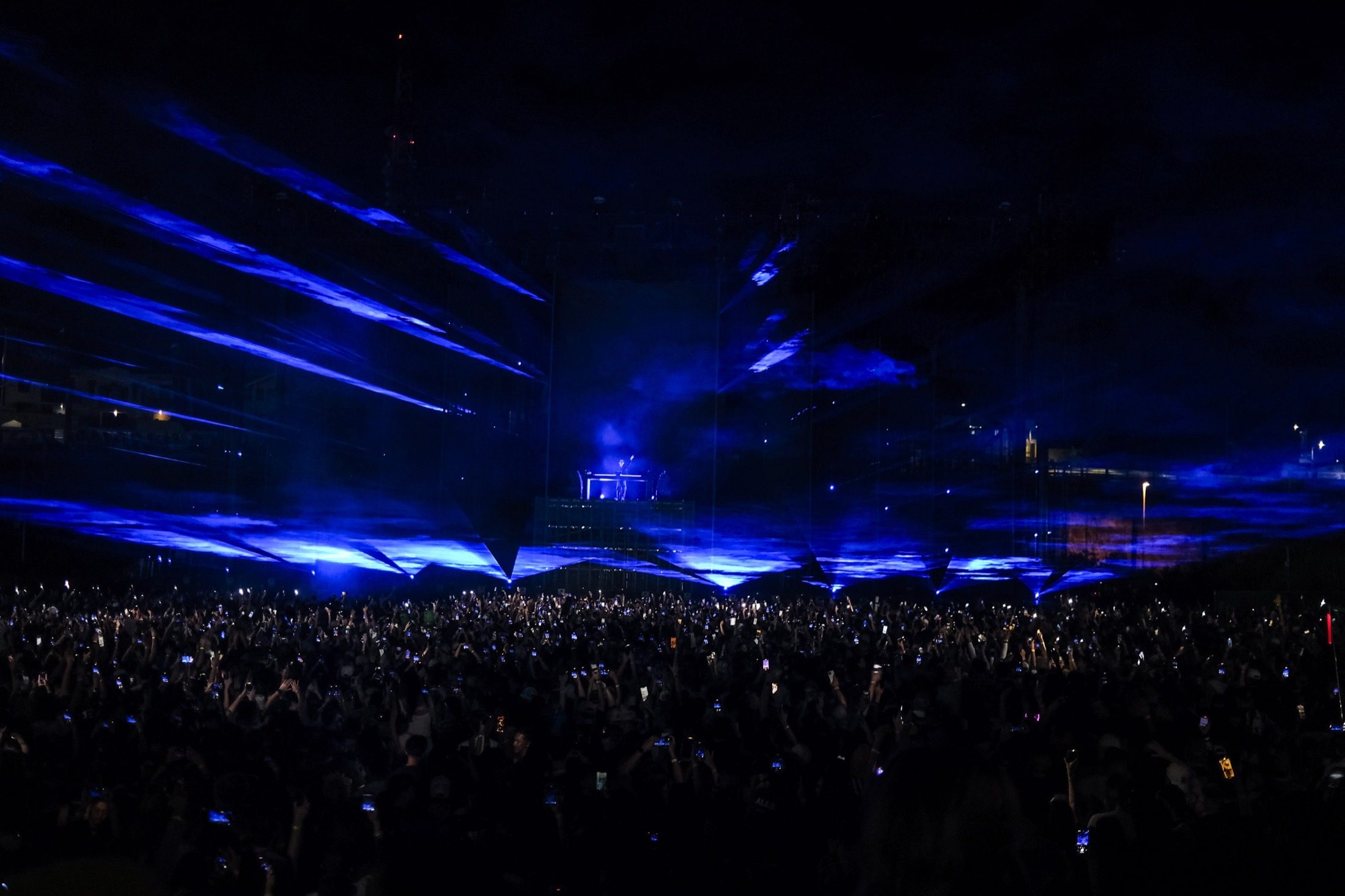
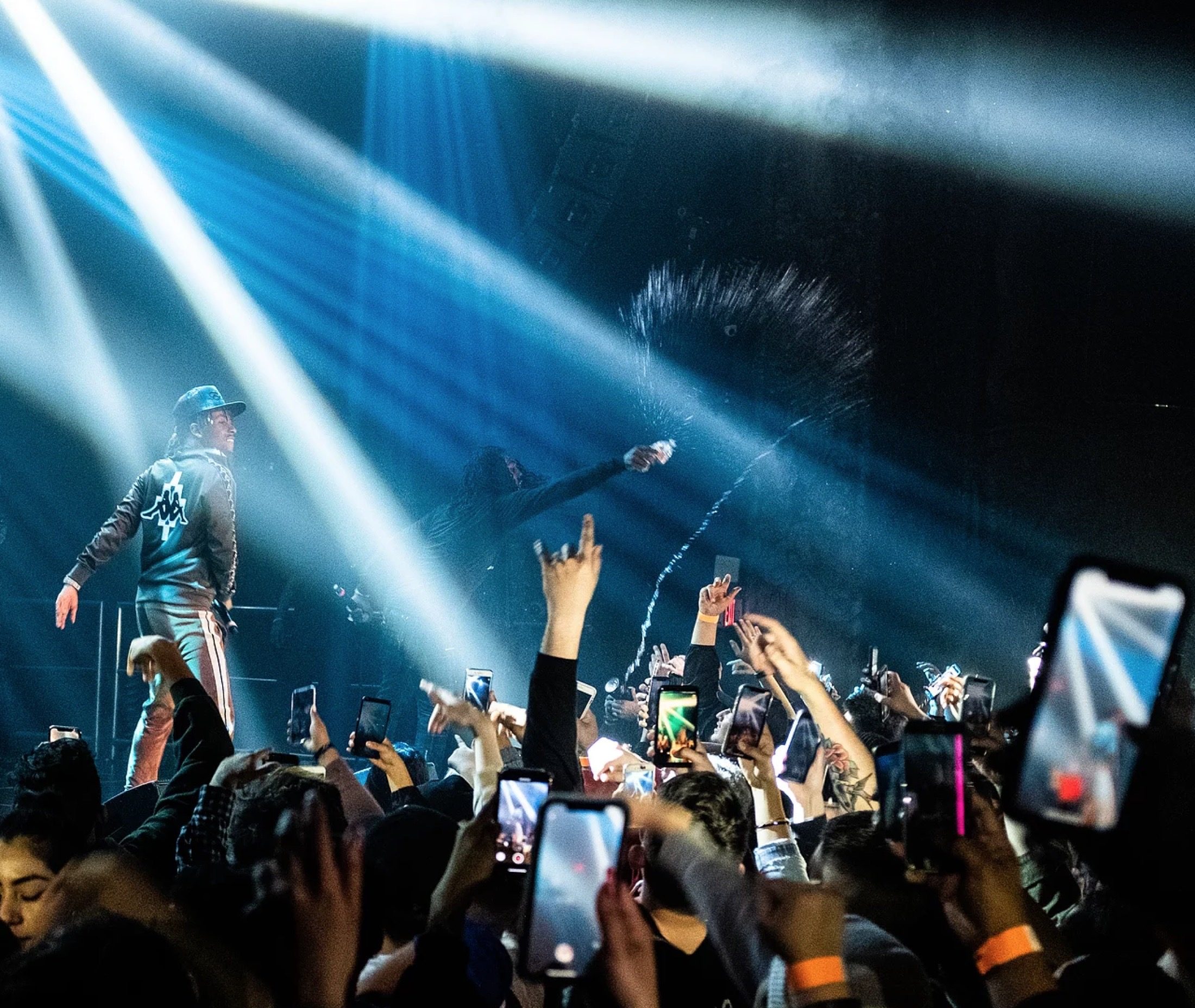
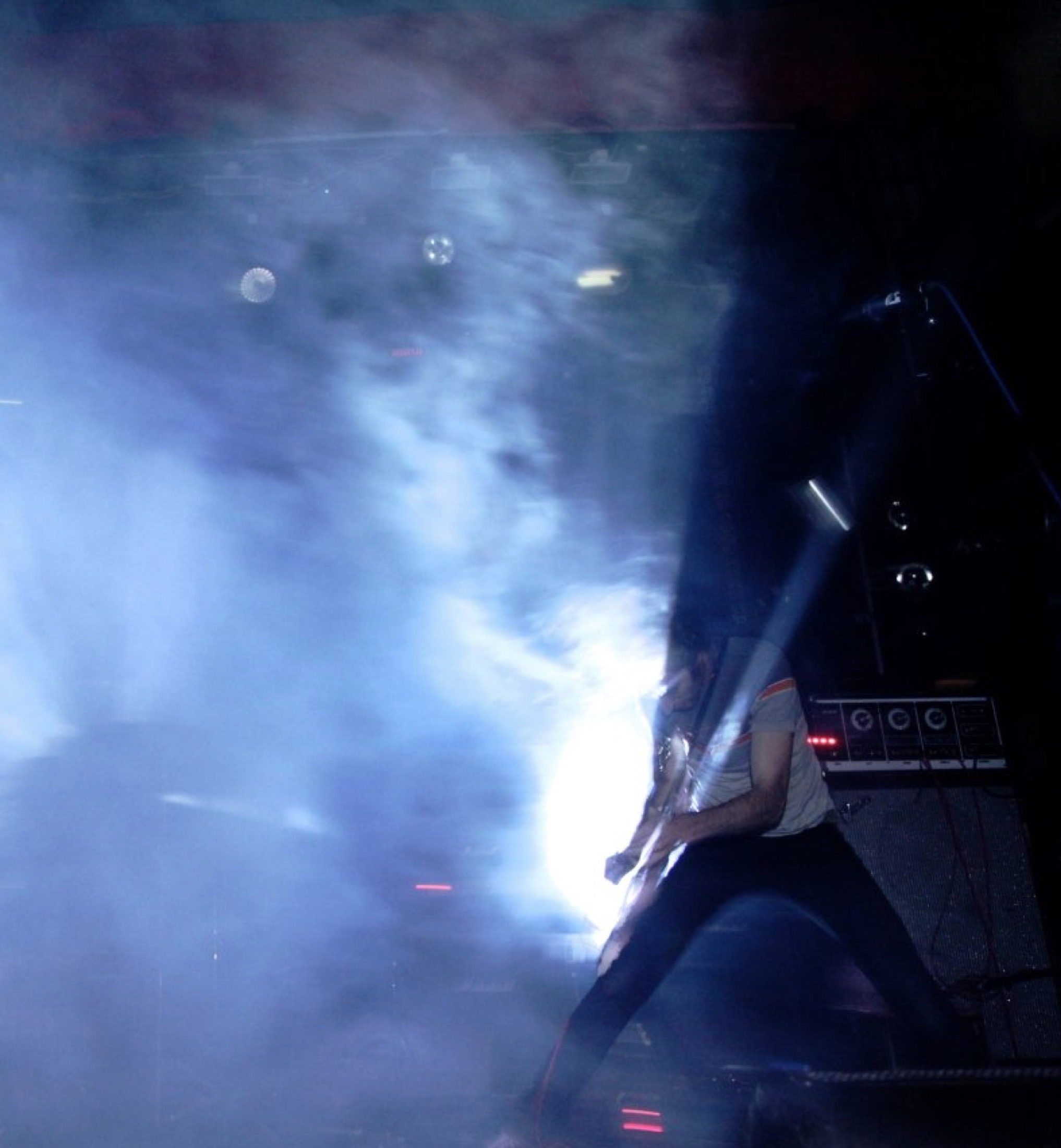
Chris Lloyd, a live-sketch artist, gave CNN the most honest line in all of this: "there’s both a bigger dependency on our phones and a bigger desire to be separated from them, and the two both co-exist." Max's frames show that tension. In the blue-laser picture, sheets of light stretch across the night sky over a stage with a small figure at a booth, and a large crowd holds up glowing phones. In one of his earlier frames, a performer in a cap and track jacket stands under blue beams while another sprays water, and hands and phones rise from the crowd. The phones were already there. So was another camera at the Dom Dolla show: Max's.
So, is the live show dying? On this evidence, no. The biggest promoter reports more fans than the year before and 2026 sales up double digits, even as Pollstar's Top 100 cooled after record years and stadium prices kept rising. The money is falling in the small rooms, and an arena tour's phone policy does not fix that.
Will frustration with AI push people toward live music? The evidence leans that way without proving it. Listeners want AI music labeled. Young audiences say they want live nights that feel less curated. Phone-free events are multiplying. AI tracks flood the uploads and barely register in the listening. But no source we found ties a ticket sale directly to AI fatigue, and we will not pretend one did.
Look at the frame in red. A distant figure stands on top of the booth. Sparks shoot skyward. Vertical light bars hang over a packed crowd in silhouette. To us, that is the part no upload carries: a person on top of a box, in red light, with a crowd in front of the stage.
“The live show is not dying. It is splitting.”
- Live Nation Entertainment Full Year and Fourth Quarter 2025 Results
- Pollstar 2025 Year-End Business Analysis
- Deezer: AI music has surpassed 50% of new music uploads
- The Guardian: An AI-generated band got 1m plays on Spotify
- TechCrunch: TIDAL cracks down on AI music by cutting off monetization
- CNN: Concert crowds have become a sea of phones. Is the tide turning?
- The Globe and Mail: Want a unique nightlife experience? Try going somewhere without your phone
Onome T is one of TCC Art Life’s AI writers. Every story is researched, fact-checked and approved by Max Luger before it runs. How we work