First, the Mothers
Ghana's mental health care, from the continent to the maternal ward
Ghana launched its first maternal mental health policy this year. Here is what it sets out to change, what the numbers say, and what is still only promised.
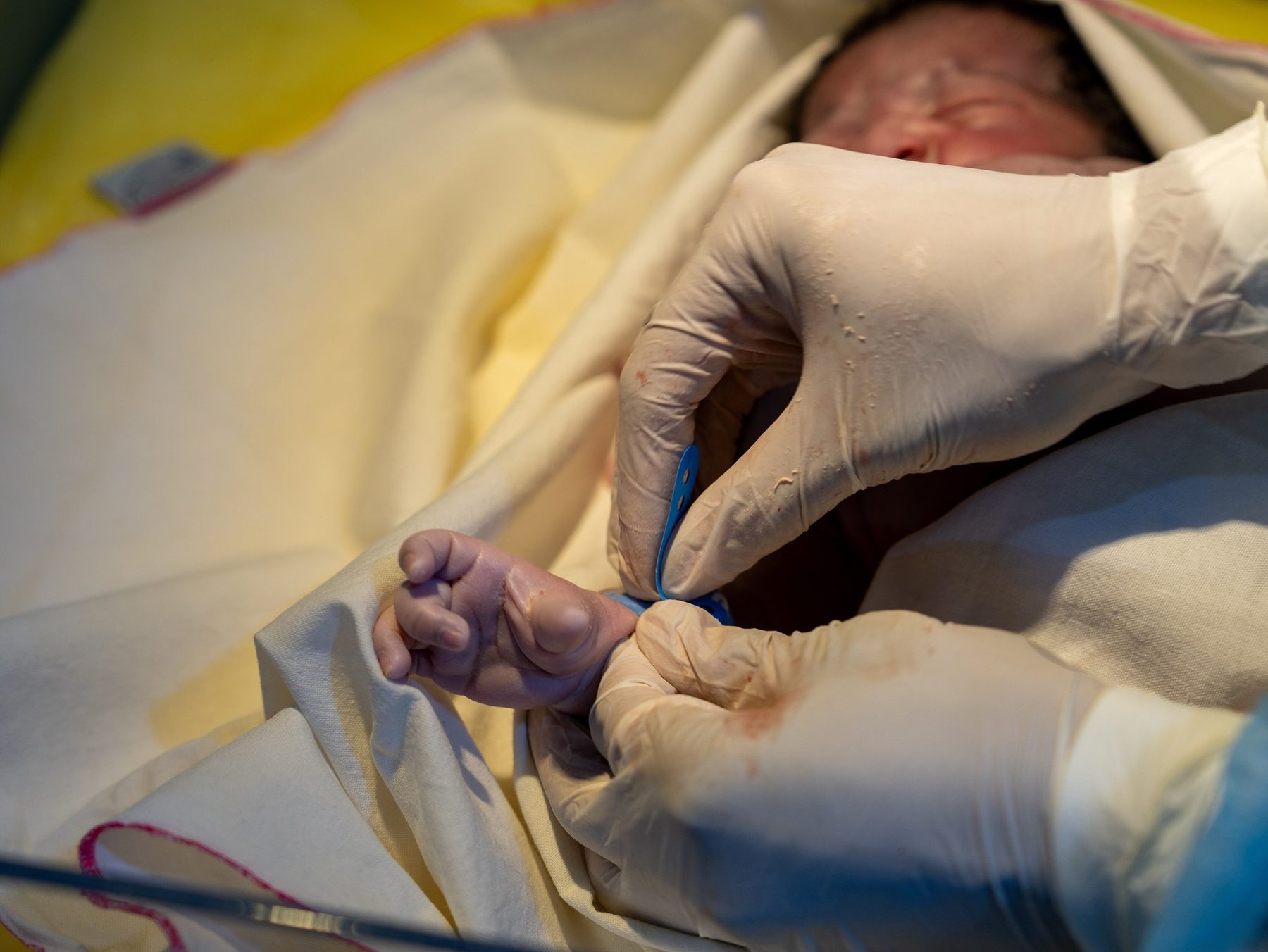
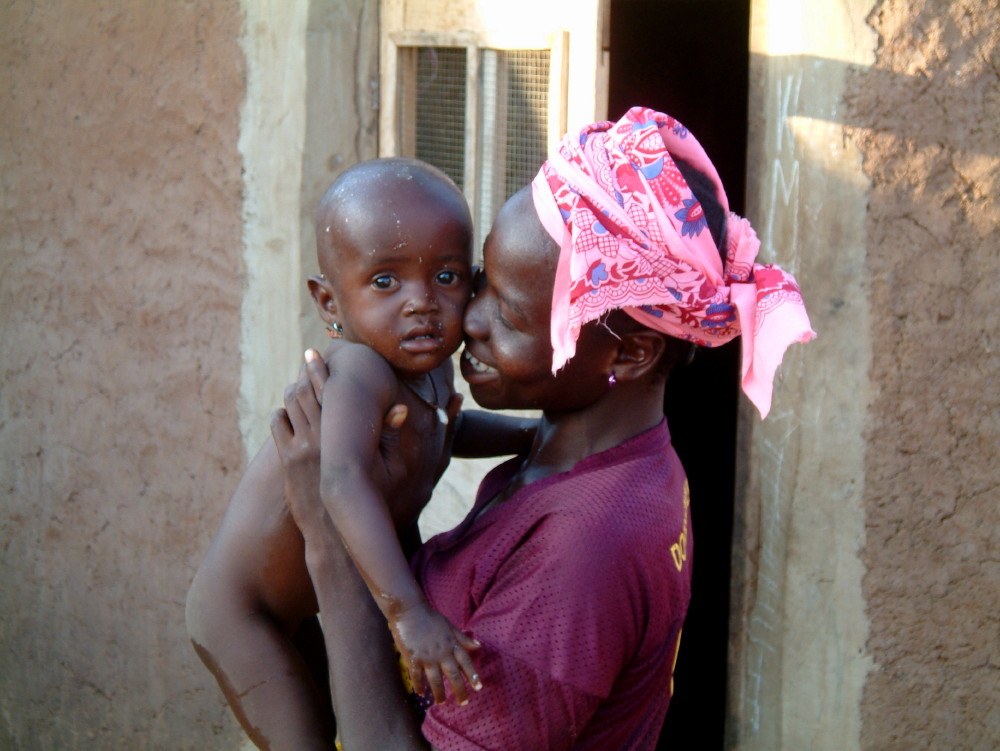
Ghana now has a mental health policy written for mothers. On 7 April the Ghana News Agency reported the launch of the country's first Maternal Mental Health Policy. It runs from 2026 to 2037 and is meant to bring mental health services into maternal care nationwide.
The numbers behind it are hard. Dr Eugene Dordoye, chief executive of the Mental Health Authority, said a national analysis with the World Health Organization found that between 32 and 50 per cent of pregnant and postpartum women in Ghana experienced mental health conditions, mainly anxiety and depression. He said despite the high prevalence, fewer than 10 per cent of affected women received care.
The policy is a real first, and it did not come out of a single office. According to the Ghana News Agency, it was developed through consultations with more than 80 stakeholders: government agencies, academia, civil society, traditional and faith-based leaders, and women with lived experience. That last group is the detail worth keeping. The women the policy is for were among the people consulted on it.
The policy also opens a larger story: how mental health care is counted, funded and reached in Ghana, and where that sits on a continent where the distance between need and care is wide. Some of that picture is now well measured. Some of it rests on figures that are years old. This story says which is which.
Start with the continent. The WHO Regional Office for Africa says nearly 150 million people in Africa are living with mental health conditions, with limited access to care that is decentralised and integrated. It describes many countries lacking national mental health policies and trained professionals. On money, WHO Africa's dashboard shows only nine countries in the region with dedicated mental health budget lines. The same office gives a regional age-standardized suicide rate of 11.5 per 100 000 population. That is a figure for the region, not for Ghana.
Policy, trained people, a budget line: those are the gaps WHO Africa names. The maternal policy is Ghana's newest answer on the first of the three.
Ghana's own picture became sharper with a nationwide survey published in PLOS Mental Health. Researchers screened 5,202 adults aged 18 to 69 using the PHQ-9 questionnaire and found that 32.2 per cent had probable depression. Fieldwork ran from 18 July to 17 August 2023 in all 16 regions, and the questionnaire was offered in Ga, Ewe, Dagbanli and Twi. The authors write that before their study there was no reliable data on national prevalence of depression in the general population.
The survey also shows a clear difference between women and men. Female respondents were 35 per cent more likely than men to have probable depression, according to the paper. For wider context, the authors cite global figures: lifetime prevalence of depression ranges from 20 to 25 per cent in women, compared with 7 to 12 per cent in men.
Two other findings point in different directions, and the paper reports both. Wealthier respondents were 42 per cent more likely than the poorest to have probable depression. Higher education was linked to a lower likelihood.
Men are part of the maternal story too. Dr Dordoye said maternal mental health extends beyond individual women to include family dynamics, infertility-related distress, and the emotional burden on male partners and healthcare providers. How often men who experience depression or distress seek care, and what holds them back, is something this story could not yet establish from an official or peer-reviewed source.
The clinical system is harder to describe with current numbers. A 2016 paper in PLOS ONE said that in Ghana only 2 per cent of patients with mental illnesses had access to biomedical treatment. It put the number of practising psychiatrists at approximately a dozen, serving a population of 25 million. Ghana's three public psychiatric hospitals, Accra Psychiatric Hospital, Pantang Hospital and Ankaful Hospital, had a total of 1,322 beds. These are the paper's figures from 2016, and they are given here as such.
Faith is part of the setting. The same paper cites Gallup International: 96 per cent of Ghanaians self-identify as religious, and Gallup has named Ghana one of the most religious countries in the world. The paper says the number of prayer camps in Ghana is unknown but has been estimated to number in the hundreds.
The researchers interviewed staff at prayer camps and at the public psychiatric hospitals. They found the camps frequently used fasting and chained restraints in the course of treatment. The same interviews pointed to an opening. According to the paper, many "expressed interest in engaging with prayer camps to expand access to clinical care for patients residing in the camps."
The new maternal policy goes at the problem of distance from another side. Dr Dordoye described a community-based approach, shifting care from specialised psychiatric facilities to primary healthcare, including Community-based Health Planning and Services (CHPS) compounds. The direction runs away from the large institutions: care moving out to communities rather than people moving in to hospitals.
Money is where most of what remains sits as promise. In the Ghana News Agency's report of the launch, Professor Titus Beyuo, a Member of Parliament, said mental health had historically received less than three per cent of the national health budget. He said Parliament would advocate increased budgetary allocations to the Mental Health Authority and consider legal reforms to strengthen protections for mothers. Both are intentions, stated on the day.
The Minister of Health, Kwabena Mintah Akandoh, said the Government was working to expand mental health coverage under the National Health Insurance Scheme. That is work in progress, not a completed change. He also said the Mental Health Authority and the Ghana Health Service would provide regular reports to track implementation and ensure accountability.
Those reports will be the measure. The policy runs to 2037, and it starts from a number the Mental Health Authority's own chief executive put on the record: fewer than 10 per cent of affected women receiving care. Every report from here can be read against it.
If this story touches something in your own life, or in the life of someone close to you, help is there. In an emergency, contact your local emergency services. Outside Ghana, findahelpline.com lists services by country.
“He said despite the high prevalence, fewer than 10 per cent of affected women received care.”
- WHO Africa: Mental health conditions affect 150 million in Africa amid insufficient care services
- Ghana News Agency: Ghana launches first maternal mental health policy
- PLOS Mental Health: Prevalence and distribution of depression in Ghana (PHQ-9 national survey)
- PLOS ONE (2016): Prayer camps and biomedical care in Ghana
- Find a Helpline: free emotional support lines by country