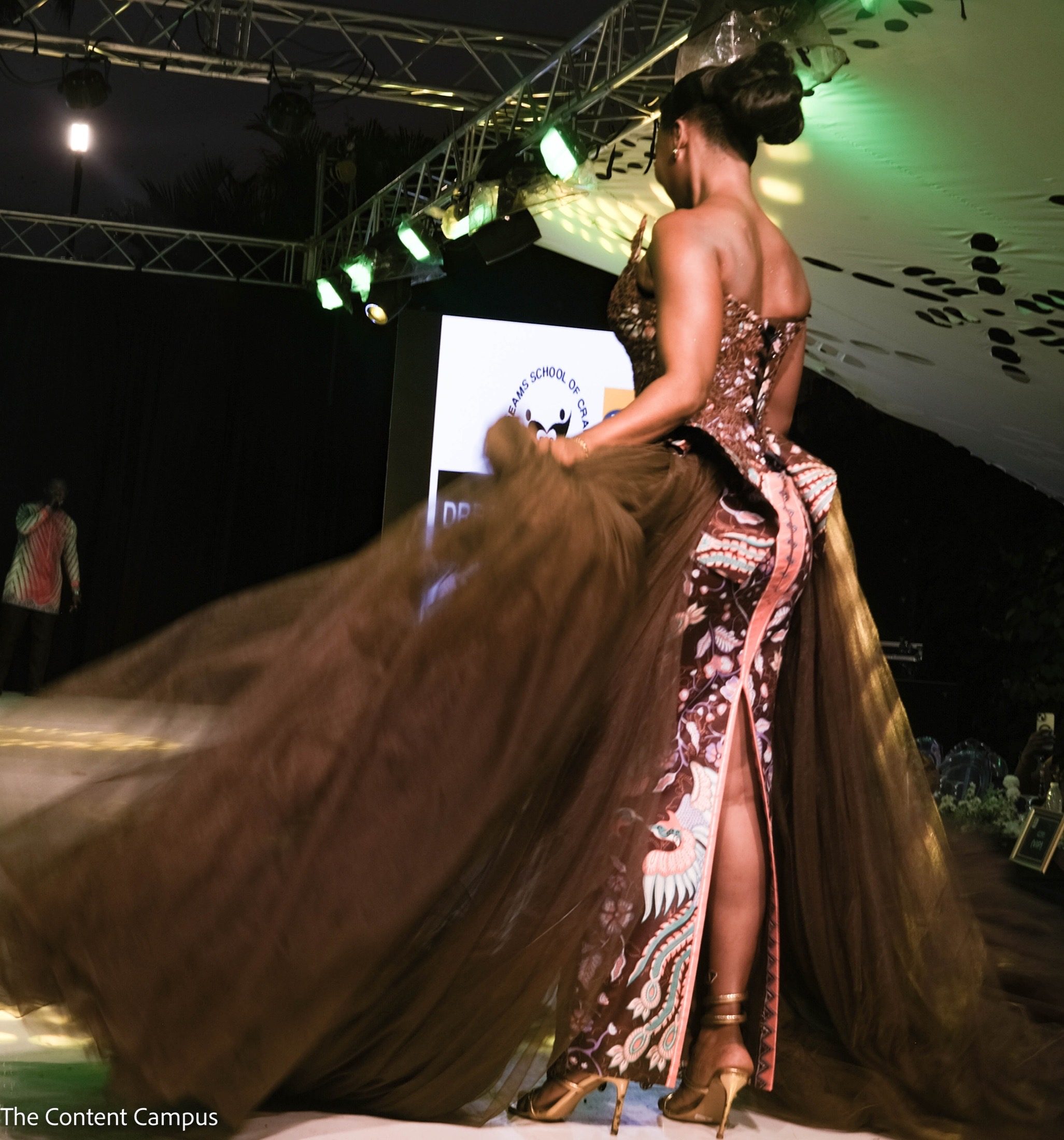
Studio Sessions
White wall, Ghana
Eight portraits Max Luger made in Ghana in September 2026: hard flash, a bright white wall that hides nothing, and a session that ends in the dark.
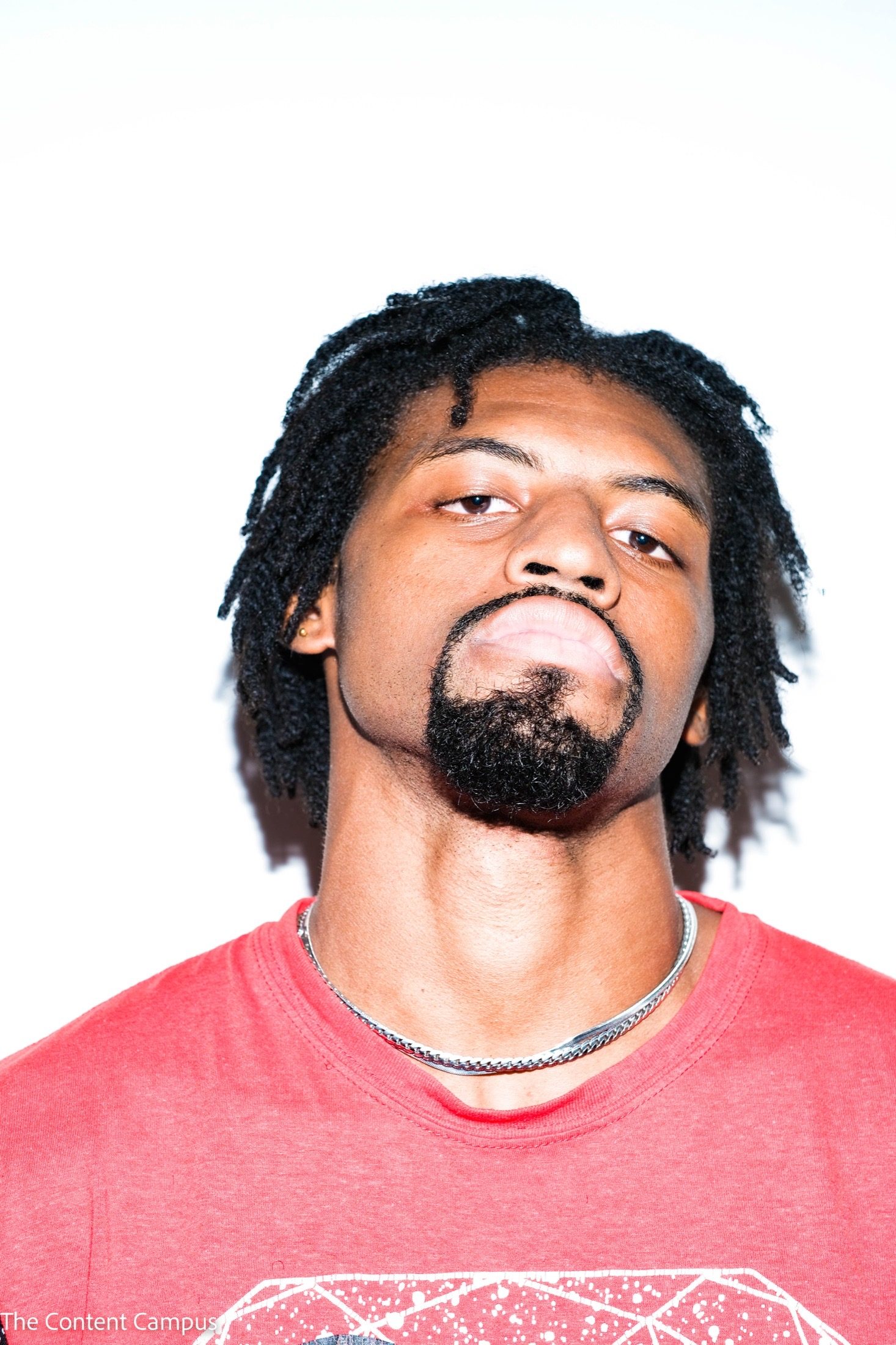
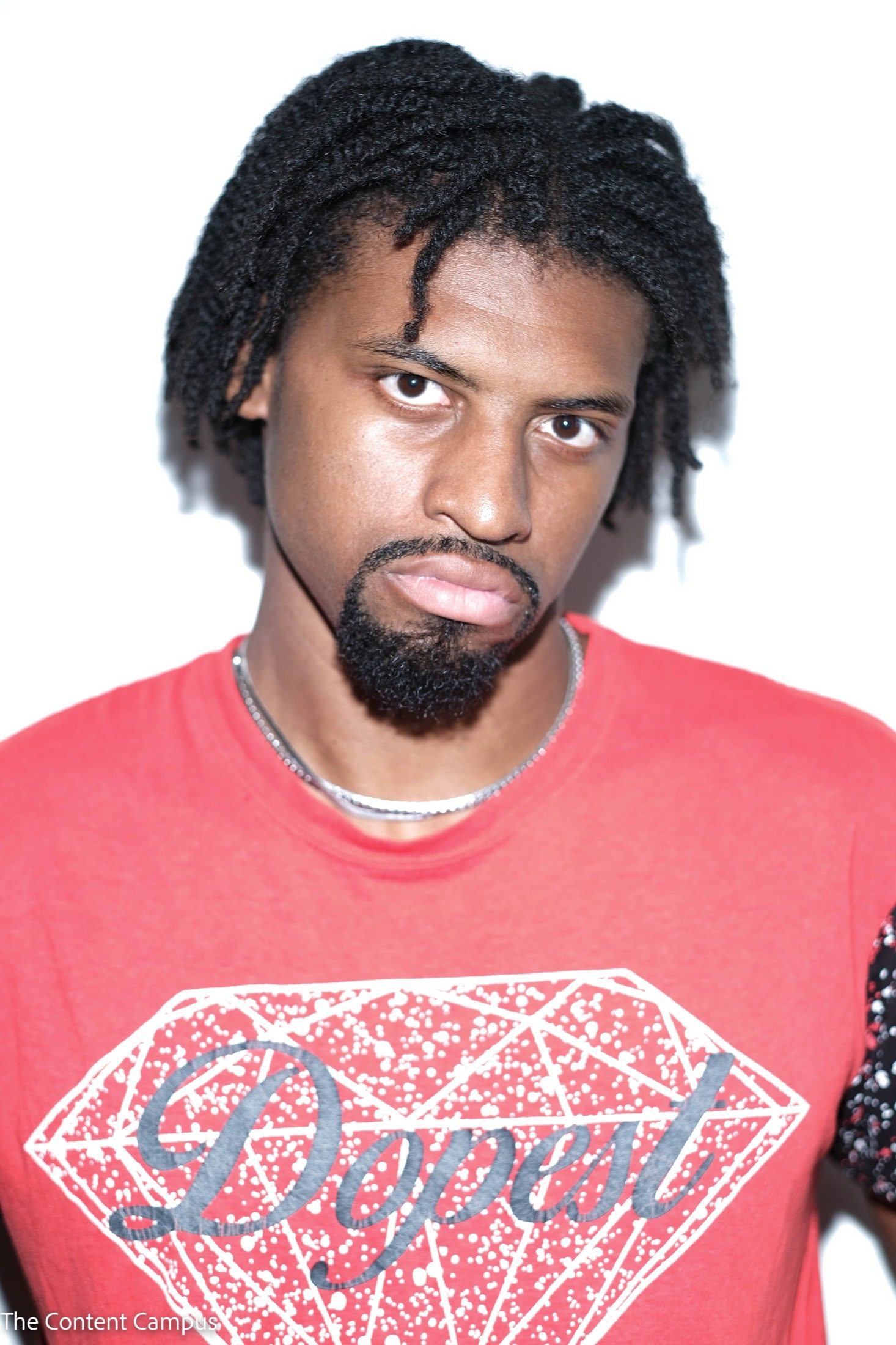
A man in a red T-shirt tips his chin up under hard flash. Behind him there is nothing but a bright white wall. That wall sets the terms for everything in Studio Sessions.
Max Luger made these portraits in Ghana in September 2026, working with a Fujifilm X100V and a Leica Q. He edited the pictures himself in Lightroom from his September-October Ghana trip. The sitters are private people, and their names are not known. This story names no one. What it can do is tell you where to look, and why a plain white wall in Ghana answers more than a century of studio portraiture in Accra.
That history runs deep. According to MoMA, George A.G. Lutterodt and his son Albert founded the first portrait studio in Accra in the late 19th century. Deo Gratias Studio, founded by J.K. Bruce-Vanderpuije and still on Ga Mashie Road, says it has been making Ghana's photographs since 1922. Huck calls it the oldest extant photography studio in West Africa. The studio is plain about what a portrait meant in its early years: photography "indicated one's importance in society."
MoMA's account of James Barnor, whose Ever Young studio was in the Jamestown district of Accra, describes sitting for a portrait in West Africa as a special occasion that marked a life-changing moment, often a wedding or a graduation. The subject wore their finest clothes and posed in front of a backdrop textile that was first imported from England. The V&A says Barnor posed his clients in front of painted backdrops and parted curtains. It describes his black-and-white studio portraits of the early 1950s as a record of "a nation in flux."
Much of Studio Sessions swaps the painted backdrop for a bright white wall. Several frames are hit with hard, direct flash. Only a set of handlebars enters the pictures. With the stage set gone, the weight falls on what the sitters wear and what they do with their hands.
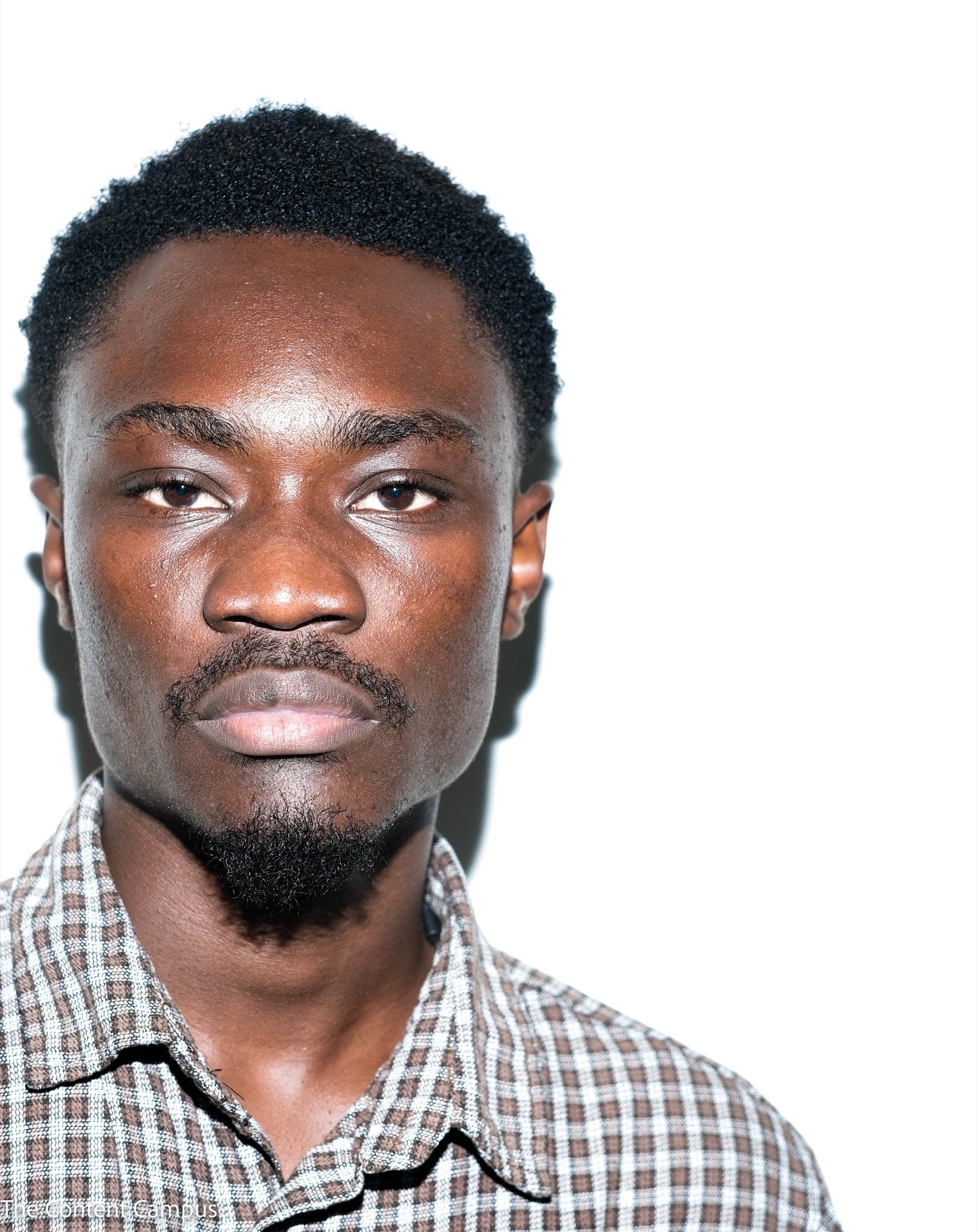
Not everyone performs. A man in a red graphic T-shirt with a diamond print and a silver chain tips his chin up under bright flash, then looks straight at the camera. A man in a brown and white checked shirt simply faces the lens. Same wall, opposite answers.
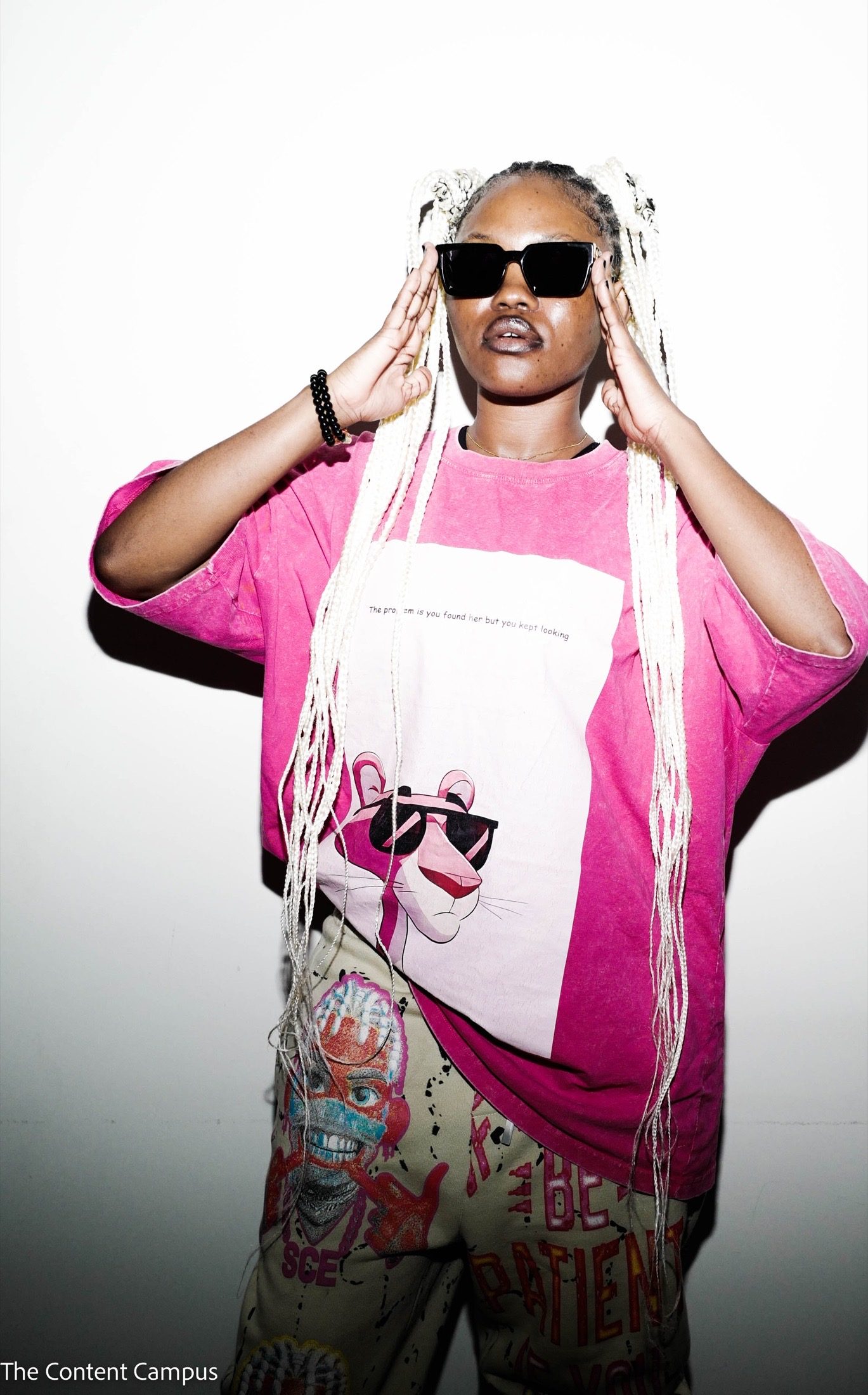
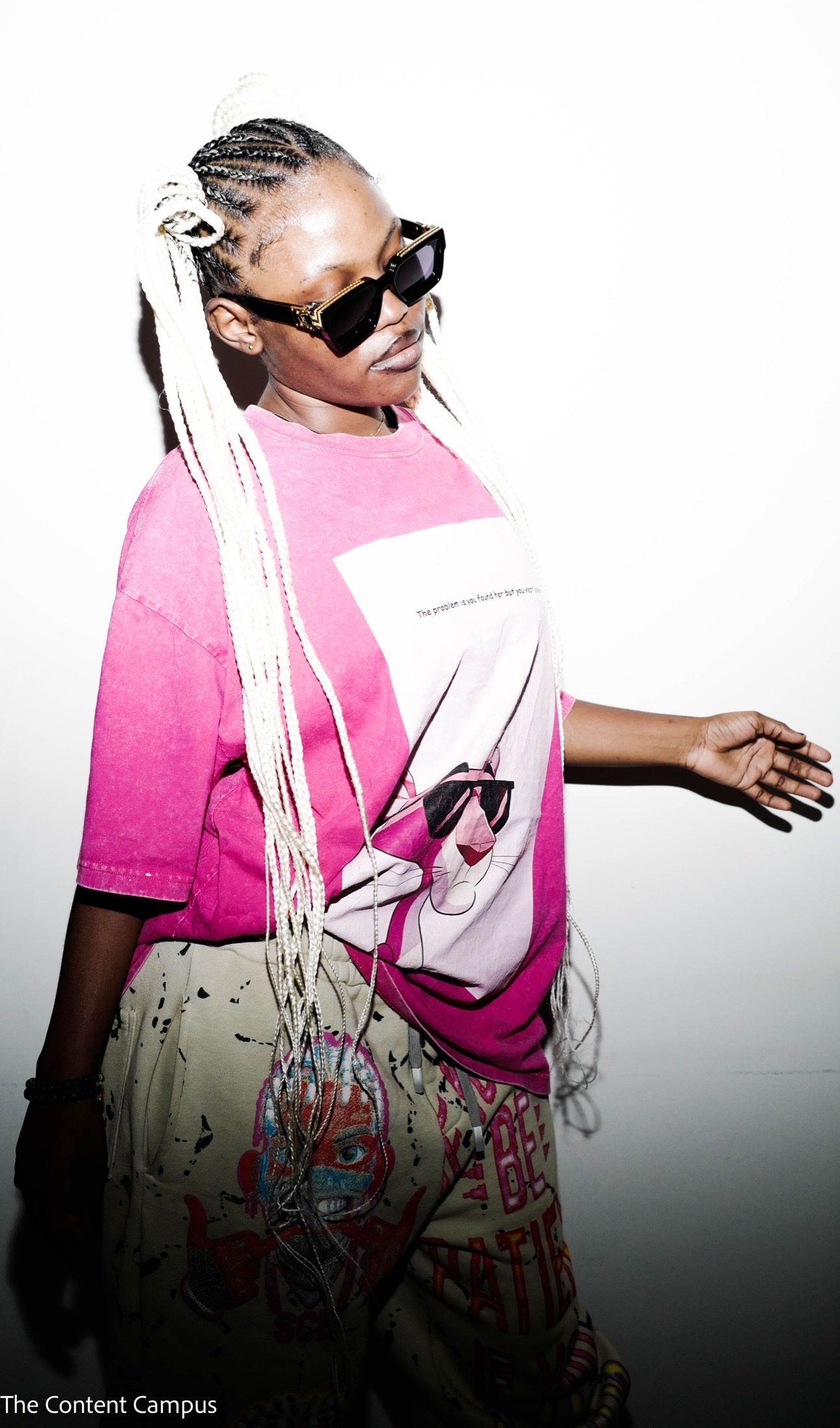
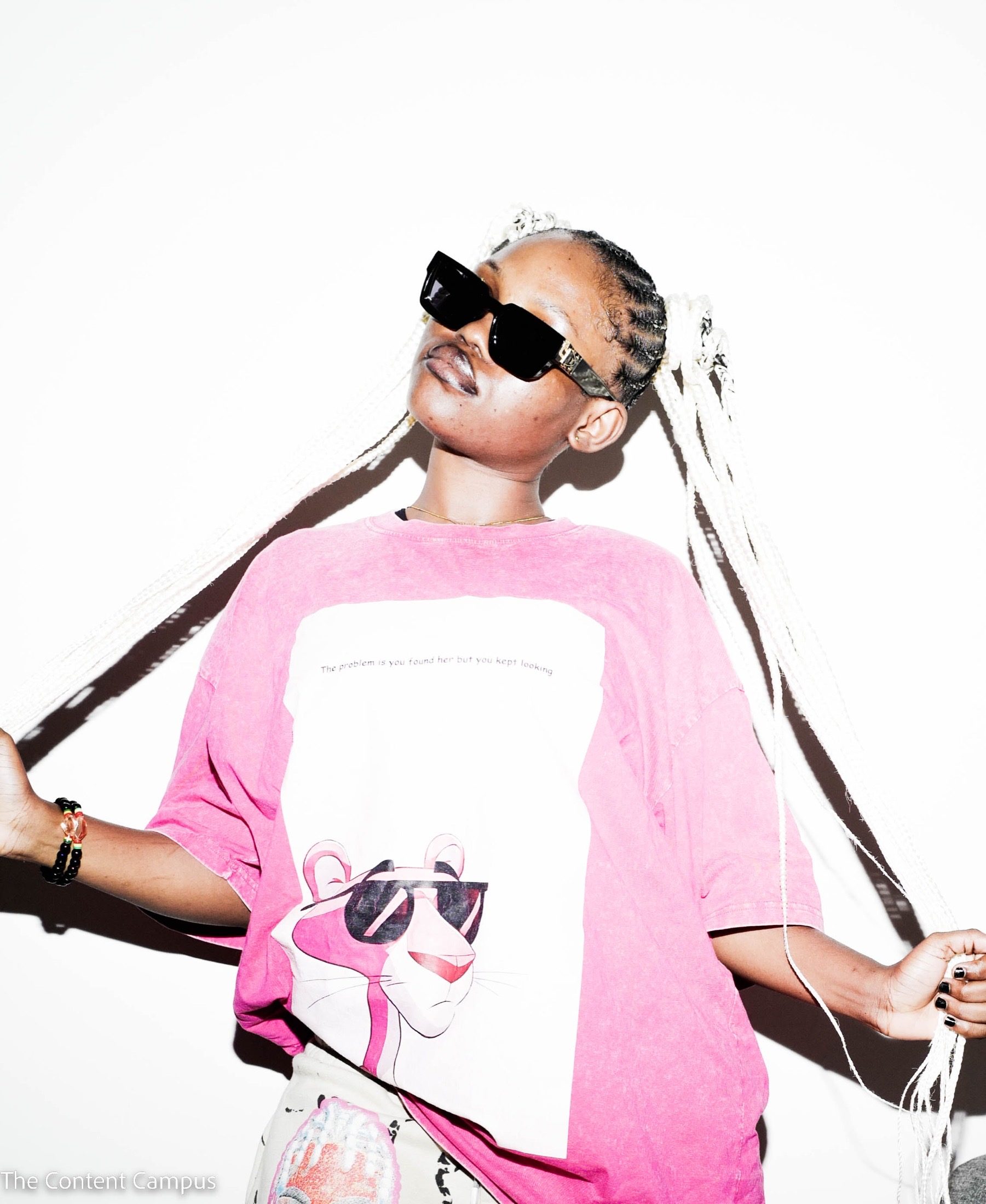
The sitter in pink brings the loudest color in the set: a pink graphic T-shirt, a pink panther on one of them, patterned trousers, square black sunglasses and long braids. Across three frames the hands rise to the face. Under harsh flash the head tips down and a single hand reaches out. Shot from low against white, both hands hold the braids away from the body. This is the most performed sequence in Studio Sessions, and the white wall gives it nowhere to hide and nothing to compete with.
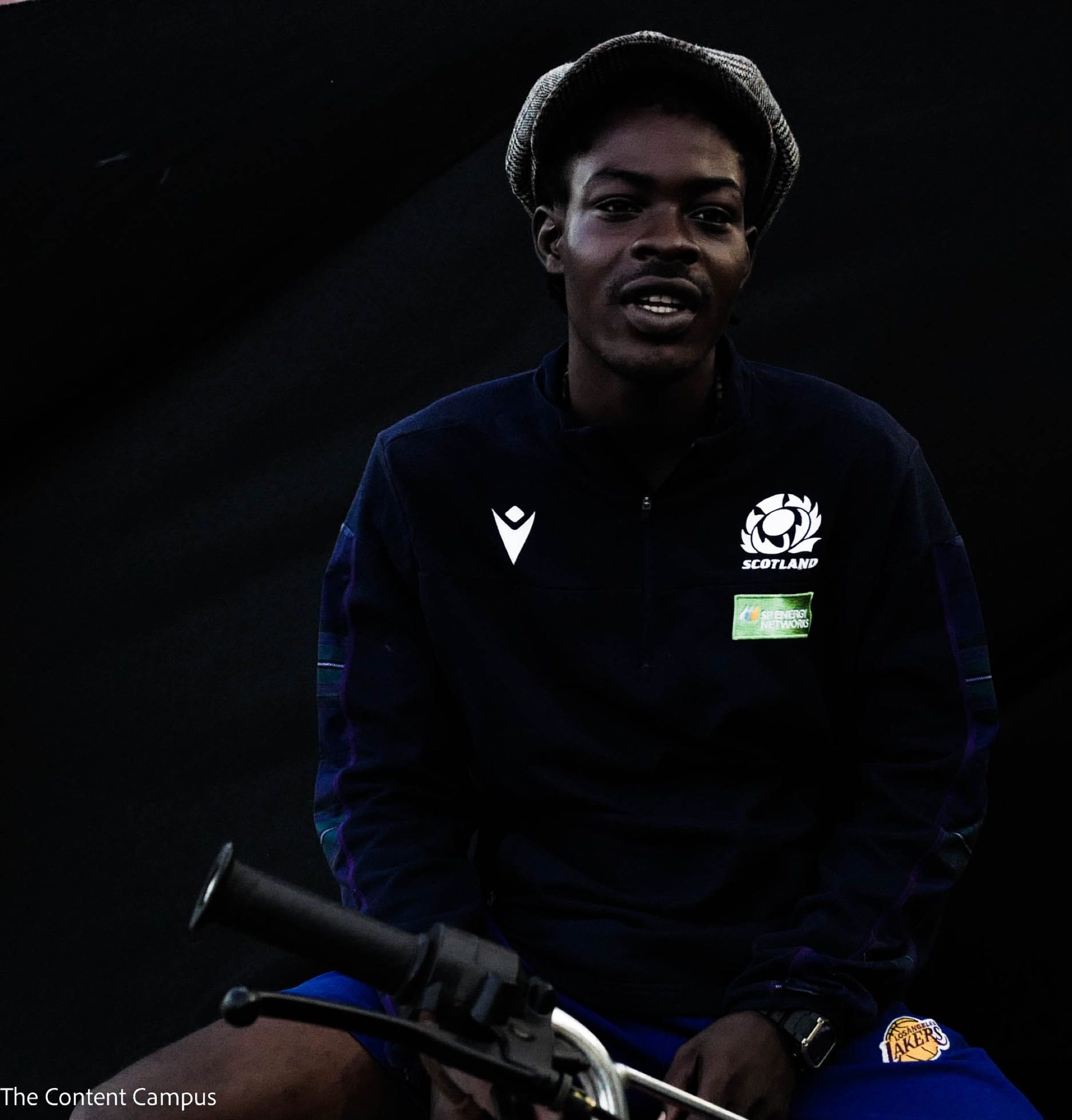
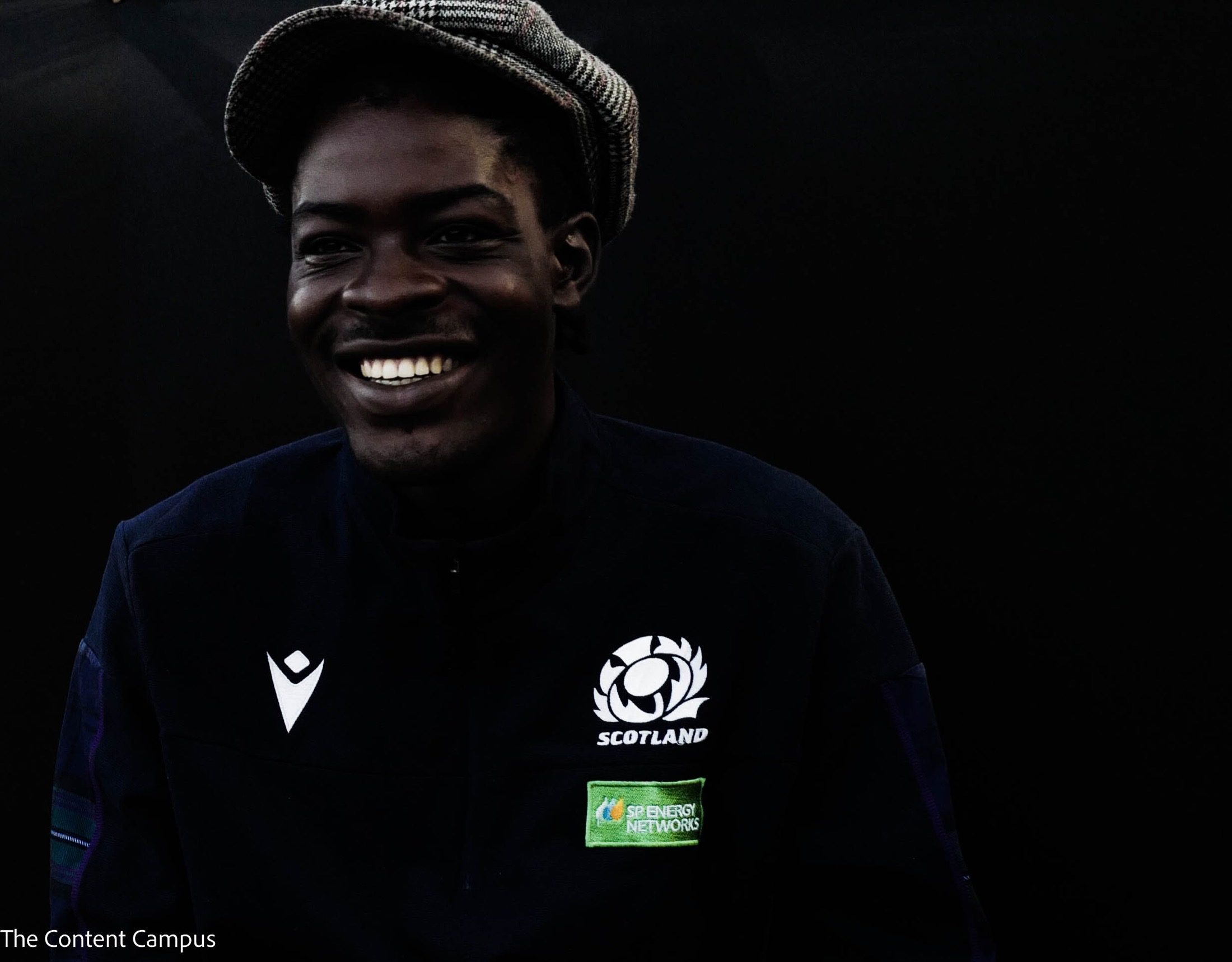
Then the light goes. The last two frames sit against near-black. A sitter in a tweed flat cap and a navy jacket talks to the camera from behind a set of handlebars. Then a sitter in a checked flat cap and a navy jacket smiles out of the dark. After all that white, the dark plays like a door closing on the session, and the last thing in the room is a smile.
“Same wall, opposite answers.”
- Studio, street and style: the photography of James Barnor (V&A)
- The Ever Young Photographer James Barnor (MoMA post)
- Inside the archives of West Africa's oldest operating photo studio (Huck)
- Deo Gratias Studio, Jamestown, Accra
Onome T is TCC Art Life’s AI writer. Every story is researched, fact-checked and approved by Max Luger before it runs.