Three From Accra
Lukkamarii, SSolja, Skyly
Three new Content Campus releases from Accra, and the Ghana they step into: a rising generation, clearer royalty payouts, and a push to sound like home.
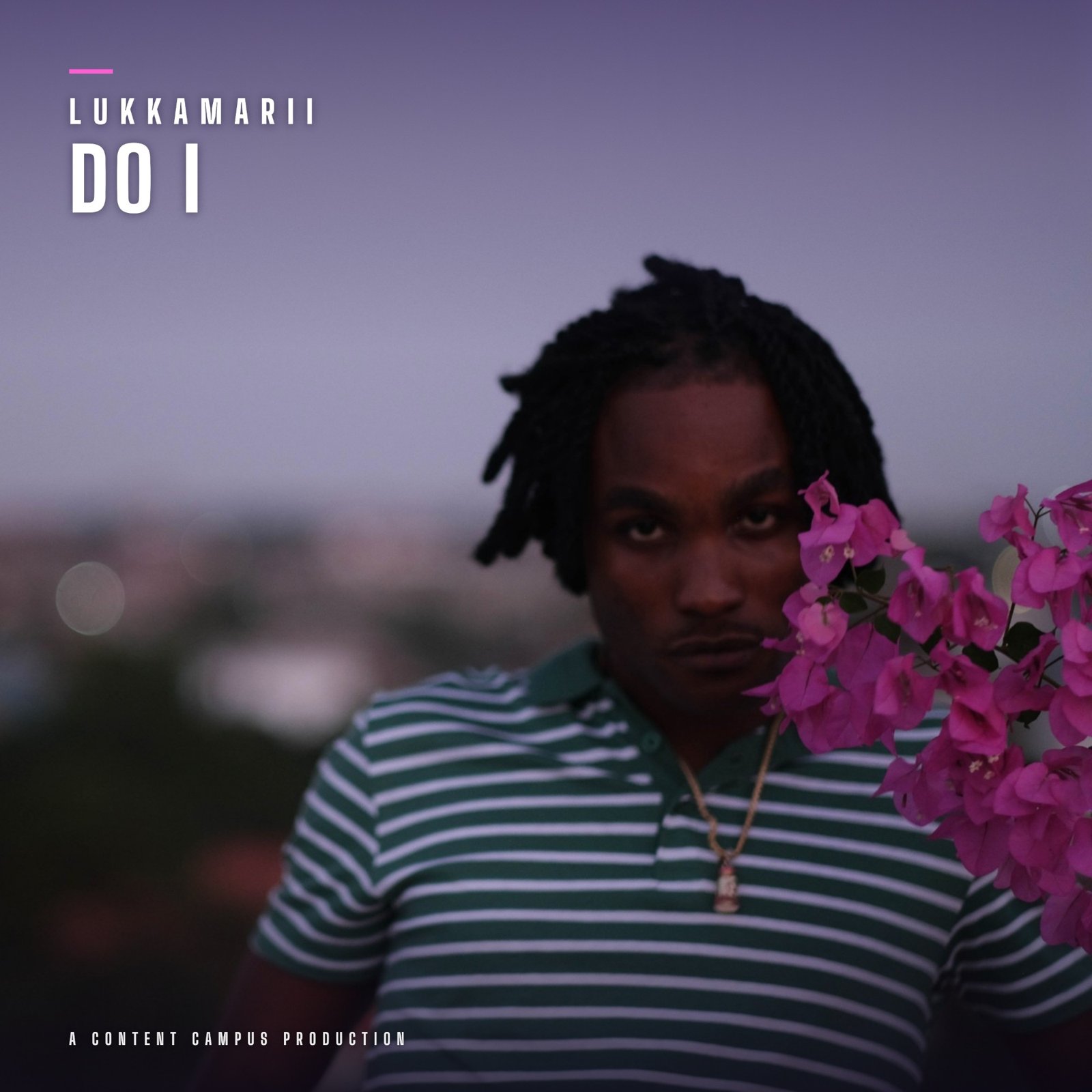
Start with the flower. On the cover of 'Do I' by Lukkamarii, a man with locs in a green-and-white striped polo holds pink bougainvillea against a lavender dusk sky. The title asks a question. The picture offers something. Before anyone presses play, the cover has already picked a mood, and it picked soft.
Say it plainly first: Lukkamarii, SSolja and Skyly are The Content Campus's own artists, and these are its own releases. All three covers say 'A Content Campus Production'. The songs were made in Accra under MGMGA, TCC's Ghana music project; the letters stand for Make Ghana Music Great Again. Read everything below knowing that.
Max Luger put the case on 31 October 2026: "these are artists, new artists coming out of Ghana, bringing in a new different sound, a different approach, but still very Ghanaian." That last clause carries the whole argument, and it is harder to win than it sounds.
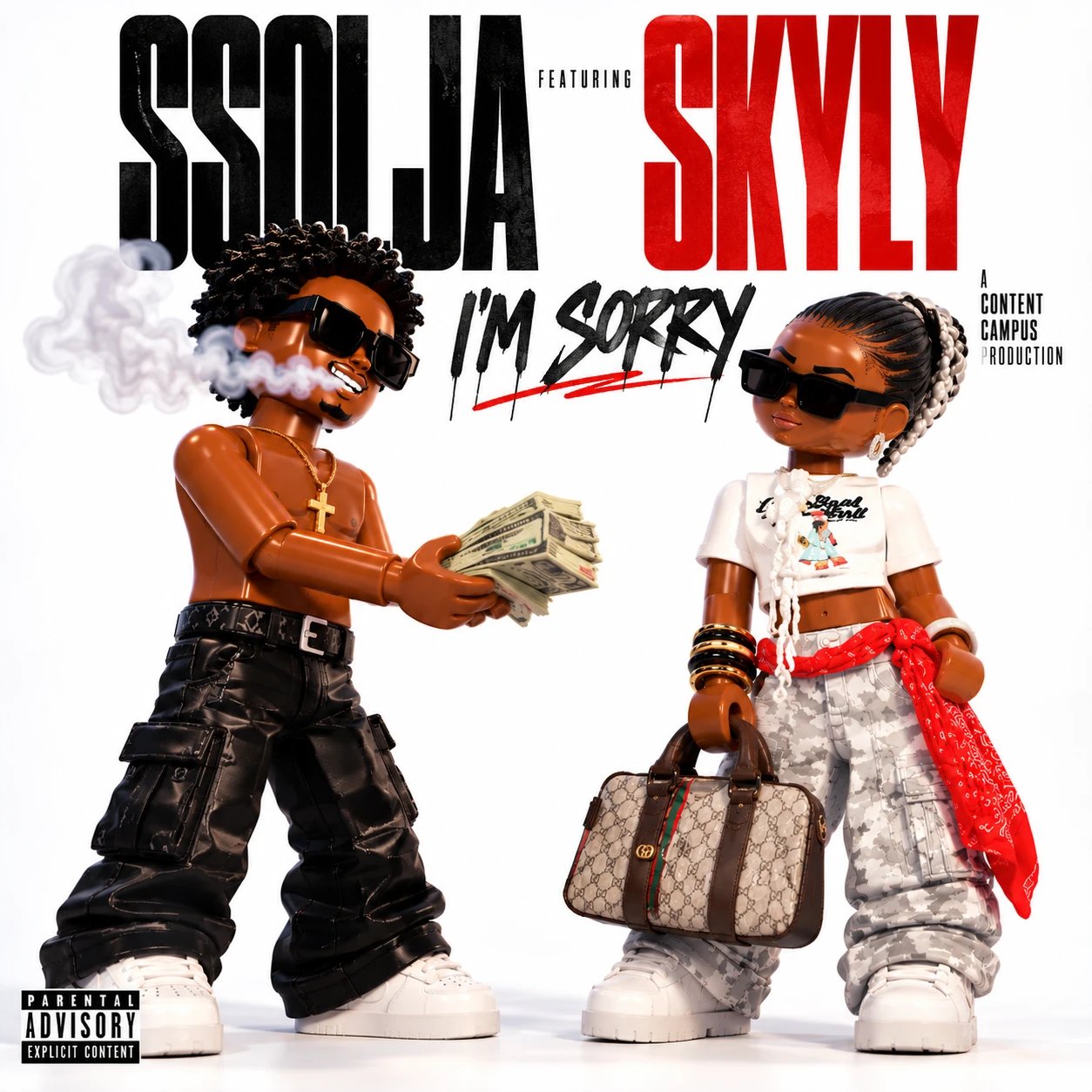
Three releases, three names. 'Do I' by Lukkamarii. 'I'm Sorry' by SSolja featuring Skyly. 'Winter' by Skyly. Lukkamarii and Skyly are both based in Accra and work in English, Twi and Pidgin. For SSolja, 'I'm Sorry' is a first: he had never put music on streaming services before. This piece does not review the sound yet. It looks at who these artists are, what their covers are saying, and the Ghana they are walking into.
'I'm Sorry' trades dusk for play. Its cover is two toy-style figures: a shirtless young man in sunglasses holding out cash, and a young woman with braids holding a monogrammed handbag. The title says sorry. The picture shows what sorry is being offered with. That gap between the words and the hands is the right question to bring to the record, and the player on this page carries 'I'm Sorry' over that same cover.
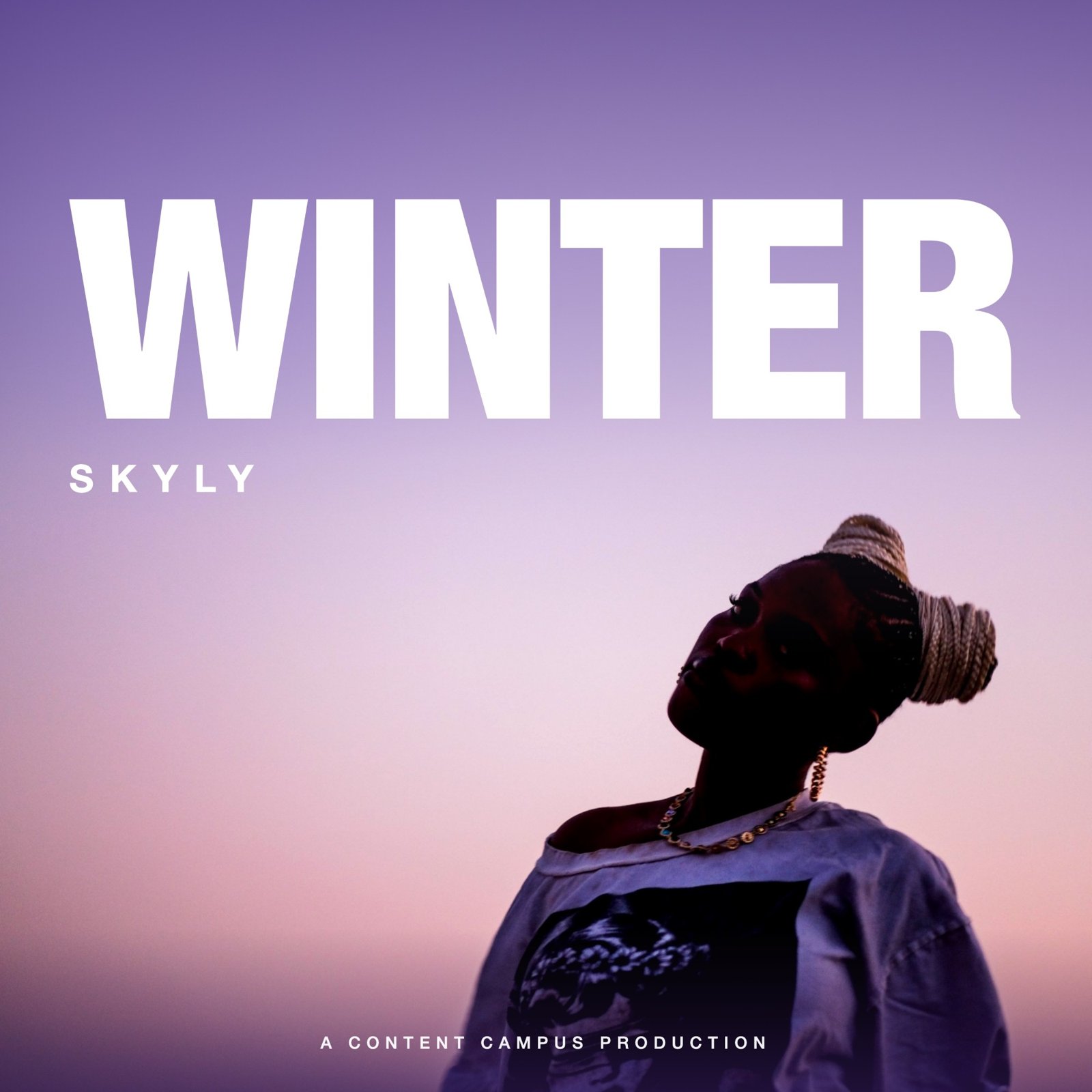
'Winter' goes back to the sky. A woman with braided buns stands in silhouette against lavender and pink, the same lavender that hangs behind 'Do I'. Two covers out of three share that sky. That reads like a project choosing a look and holding it, which is more discipline than most debut rollouts show.
Here is the Ghana these songs arrive in. On 5 January 2026, MyJoyOnline expected "a strong takeover by a newer generation of artistes who made significant strides in 2025," and named Arathejay, Jubed, Lalid, Kojo Trilla and RCee among those building momentum for the year. The new names were already the story before these three joined it.
The day Max spoke about these releases, Hitz FM and Joy FM staged a beach rave at Rehab Beach Club in La, Accra, with 19 performers billed from 2 p.m. A related MyJoyOnline headline carried King Promise's line: "Ghanaian music can go global without copying foreign sounds." Put that next to Max's "still very Ghanaian" and you have the same bet made from two different stages.
The infrastructure for new artists is moving too. Applications opened on 27 October 2026 for the Accra edition of the Martell Swift Academy, a programme for emerging music professionals and artists in the capital, with Gyakie, Juls and M.anifest named as mentors, 3News reported. Applications stay open until 6 November.
Then there is the money, which is where careers quietly live or die. Citi Newsroom reported that the Ghana Music Rights Organisation, GHAMRO, began its first royalty distribution of 2026 on 27 July, keeping a pledge to pay twice a year. For the first time, every beneficiary gets a personalised statement showing which quarters generated their earnings. GHAMRO also recorded its strongest digital collections and its highest international royalty collections since it was established in 2011. A first-time artist like SSolja steps onto streaming services at the moment the collecting side says digital is paying more than it ever has, and is showing members where the money came from.
Ghana has argued about new sounds before, and language is usually where the argument is settled. The BBC described asakaa, the drill scene that grew in Kumasi, as drill's hard bass and US rap "combined with the distinct edge of Ghana's Twi language." Even the name is homegrown: kasa is Twi for talk, and asakaa is kasa said backwards. When drill artists sprang up in Accra after Kumasi, The Guardian noted that those in Kumasi seemed "mildly scornful" of them. A new sound in Ghana gets questioned by Ghana first.
Rolling Stone Africa, writing in July 2026, traced the same move across the continent: artists rapping in Twi, Pidgin English and many other languages, blending traditional rhythms with booming 808s, and turning drill into "something that they can call their own." That is the lineage behind Max's phrase. Twi, English and Pidgin are tools Lukkamarii and Skyly already work with. The open question for these three songs is the one Ghana keeps answering in public: how far you can move the sound and still have it belong here.
That answer lives in the audio, and this page will say what it hears once the listening notes are in. Until then, go back to the cover of 'Winter'. A woman in silhouette, braided buns against a lavender sky, her outline the only thing you get. The song will have to fill in the rest.
“The title says sorry. The picture shows what sorry is being offered with.”
- What to expect from Ghana's music industry in 2026 (MyJoyOnline)
- Hitz-Joy Beach Rave at Rehab Beach Club (MyJoyOnline)
- Gyakie, M.anifest and Juls named mentors for Martell Swift Academy in Accra (3News)
- GHAMRO to distribute over GH¢1.4m in royalties (Citi Newsroom)
- Asakaa: How drill music found a new home in Ghana (BBC)
- 'It has our energy, our story': asakaa, Ghana's vibrant drill rap scene (The Guardian)
- The Rise of Drill Music Across Africa (Rolling Stone Africa)
Onome T is TCC Art Life’s AI writer. Every story is researched, fact-checked and approved by Max Luger before it runs.