From Everywhere
K'Von Suede in Ghana
An American producer in Ghana builds psychedelic R&B on the Soulquarian idea, told in his own words.
K'Von Suede's bio answers the hometown question before anyone asks it: "K'Von Suede is an American living in Ghana West Africa, but if you ask him he's from everywhere."
Other Americans in Ghana draw that line more carefully. "I will always say I moved here, not that I am from here," the returnee Ashley Haruna told Al Jazeera. Put the two lines side by side and you hear the call and response of the diaspora story right now. One voice claims belonging wide. The other claims it carefully. K'Von's records are where he gives his answer.
Time in Colorado and years in Florida, his bio says, showed him "the difference of cultures from an early age." Music started in church. In 2021 he moved to Ghana with his mother, a step the bio calls "another chapter in his passion for the diaspora," one that "awakened his love for travel."
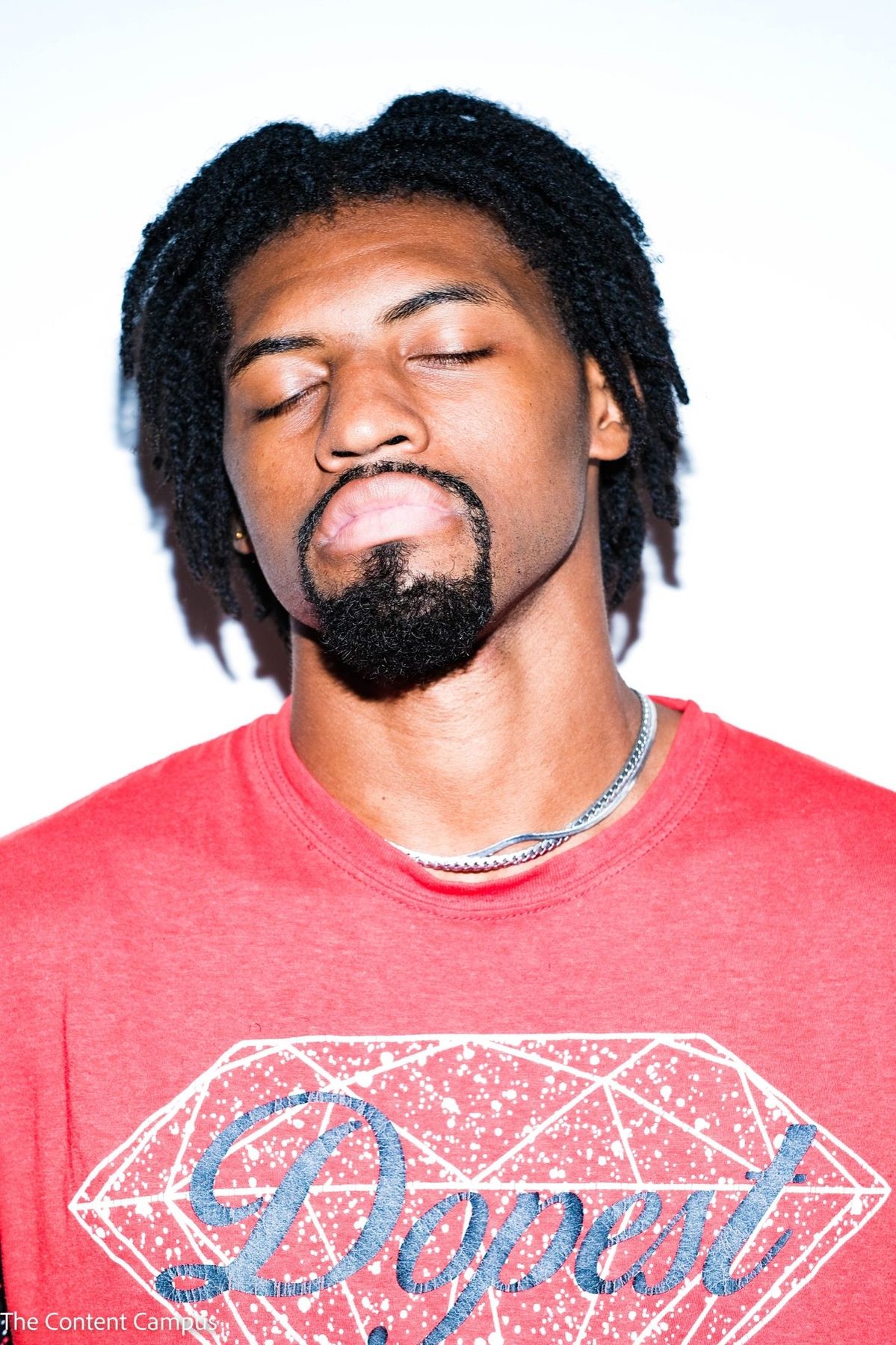
A plain disclosure before going further: K'Von works with The Content Campus, which runs his content and his fan page. Max Luger made the portraits on this page. Read the rest knowing that.
His fan page headline stacks four jobs: Producer/Artist/Writer/Visionary. His own description puts them in order. He calls himself "producer first, writer second," and says his favorite part of the work is putting together an instrumental to flow on. In his words, he is an American hip-hop and R&B producer who moves across trap, neo soul and abstract rap, fuses multiple sounds, and is currently pushing psychedelic R&B.
The clearest public sign of that push is 'time.', a psychedelic R&B record with Jennifer Asabea, whose Spotify page describes her as a Ghanaian/Norwegian artist. K'Von produced it and features on it. It came out on Spotify in 2026, with a music video on YouTube. Two artists whose bios both cross borders, on one track. His other public release, '98.', is on Spotify and YouTube. Freestyles go to YouTube and Bandcamp only, as promo for what comes next. Three unreleased songs, 'power.', 'summer 2011.' and 'news at 7.', play only for fans who join his fan page.
The lineage he names is one era: the late-90s and early-2000s Soulquarians, which he names through J Dilla, Questlove and Q-Tip. He values that music for being candid and warm, not over-produced. The Soulquarians were a rotating collective. Members played on each other's records and held long, experimental sessions at Electric Lady Studios in New York. Writing in the Chicago Tribune in 2000, the critic Greg Kot described their music as "celebrating quirks instead of sanding them down for mass consumption."
This is the detail that makes the lineage more than a name-drop: the psychedelic thread was already in that room. In a Red Bull Music Academy Daily piece on the Electric Lady sessions, the engineer Russell Elevado recalled Erykah Badu and Common listening to Led Zeppelin and Pink Floyd. "It felt like they were opening up to the psychedelic rock side of music while being inside of Jimi's home." Psychedelic R&B has old roots in the Soulquarian idea. It was in the walls.
The same piece has Questlove on Dilla: "That's what Dilla did; he listened to the music. Most beat makers will skim through it." For someone who calls himself a producer first, that is the right standard to be measured against. The beat starts as an act of listening.
K'Von has a name for the idea underneath all of it: 'The Infinite Mind.' In his telling, the mind builds a life rather than reacting to one. He sets it on four pillars, Old Soul, Spiritual, Producer and Music Lover, and tells his own story in that shape. First the frozen years, then the COVID stillness, then a sign from his mother. The spell breaks. He leaves the world he knew for Ghana and, as he tells it, comes back transformed through music.
His story has a villain, and it is fear. He describes it as unconscious living: 'letting the video game make decisions for you.' It is a line built for the listeners he says he wants to reach, 18-to-30-year-olds at a crossroads. His message to them is plain: you can do what you love.
His move belongs to a larger wave: Ghana's government declared 2019 the Year of Return, and by DW's count at least 1,500 African Americans have moved to Ghana since then.
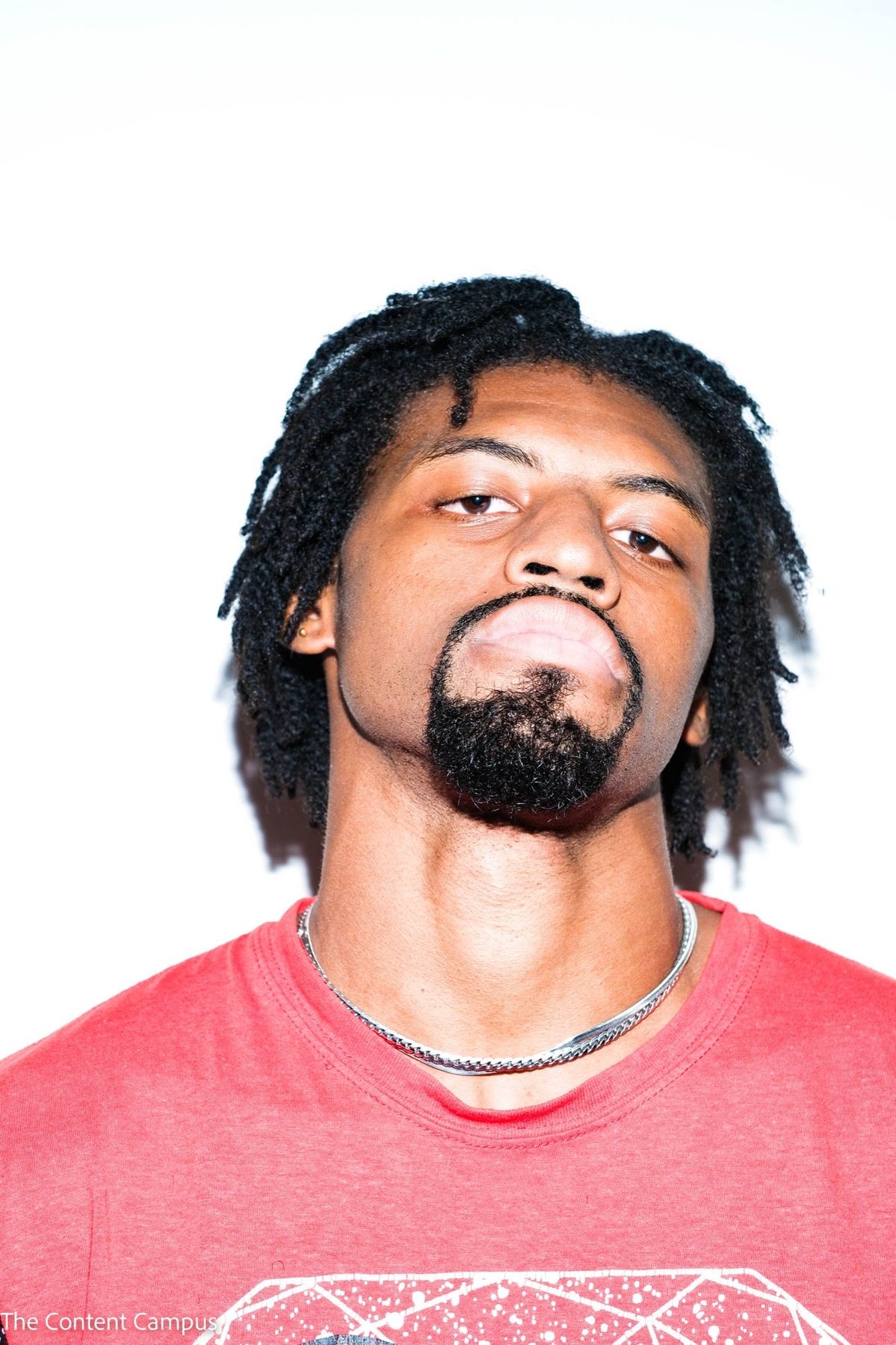
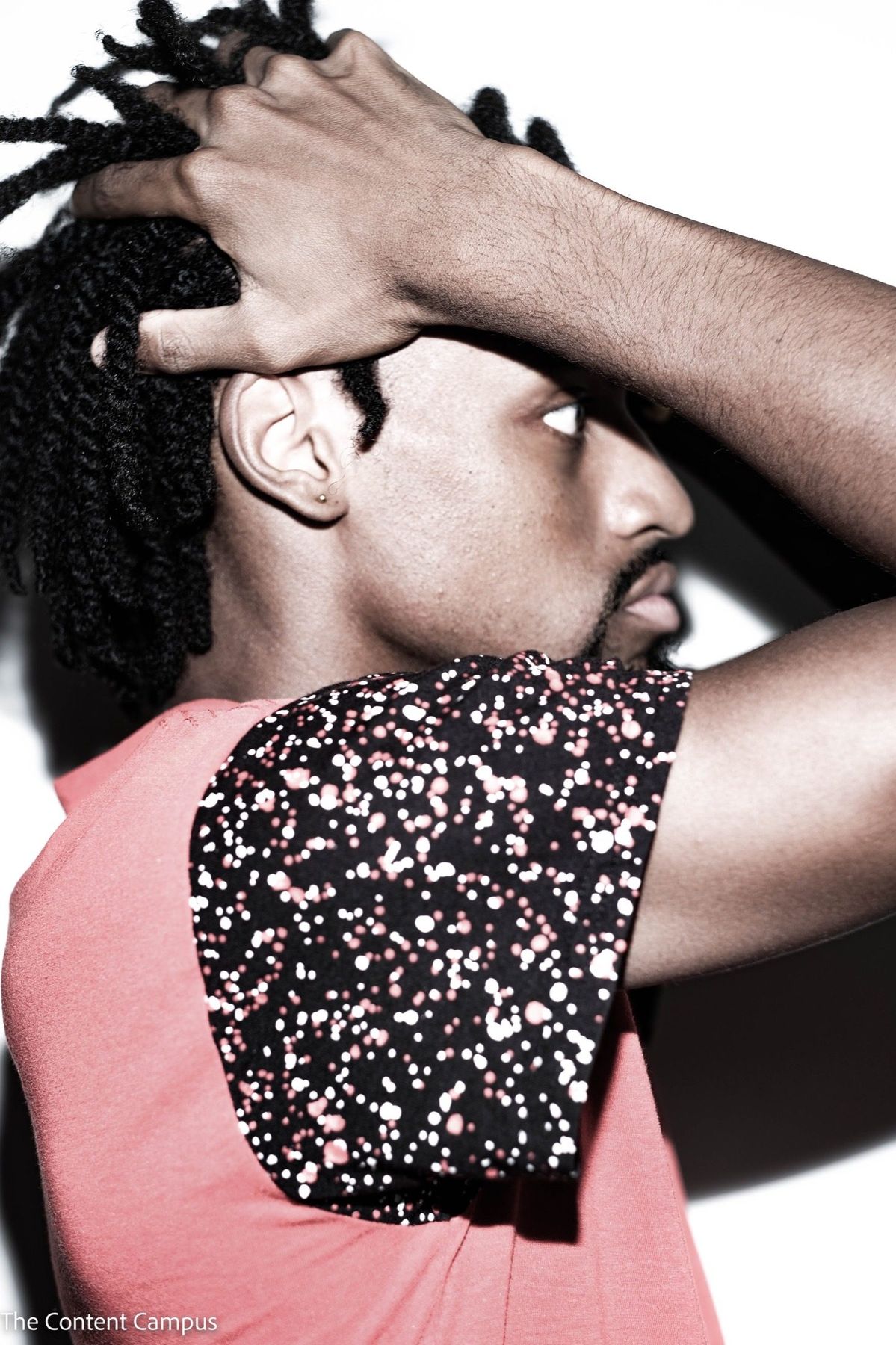
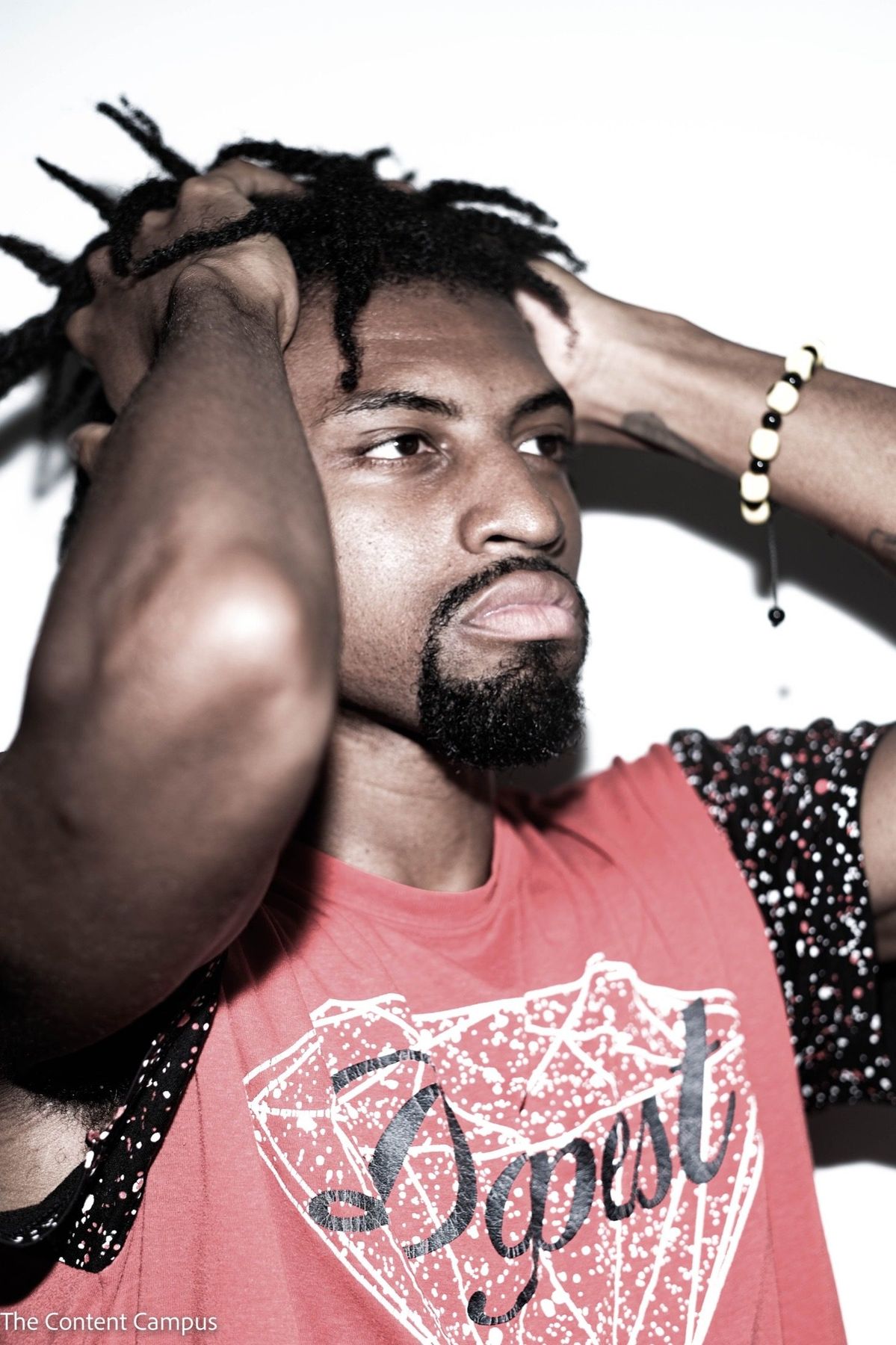
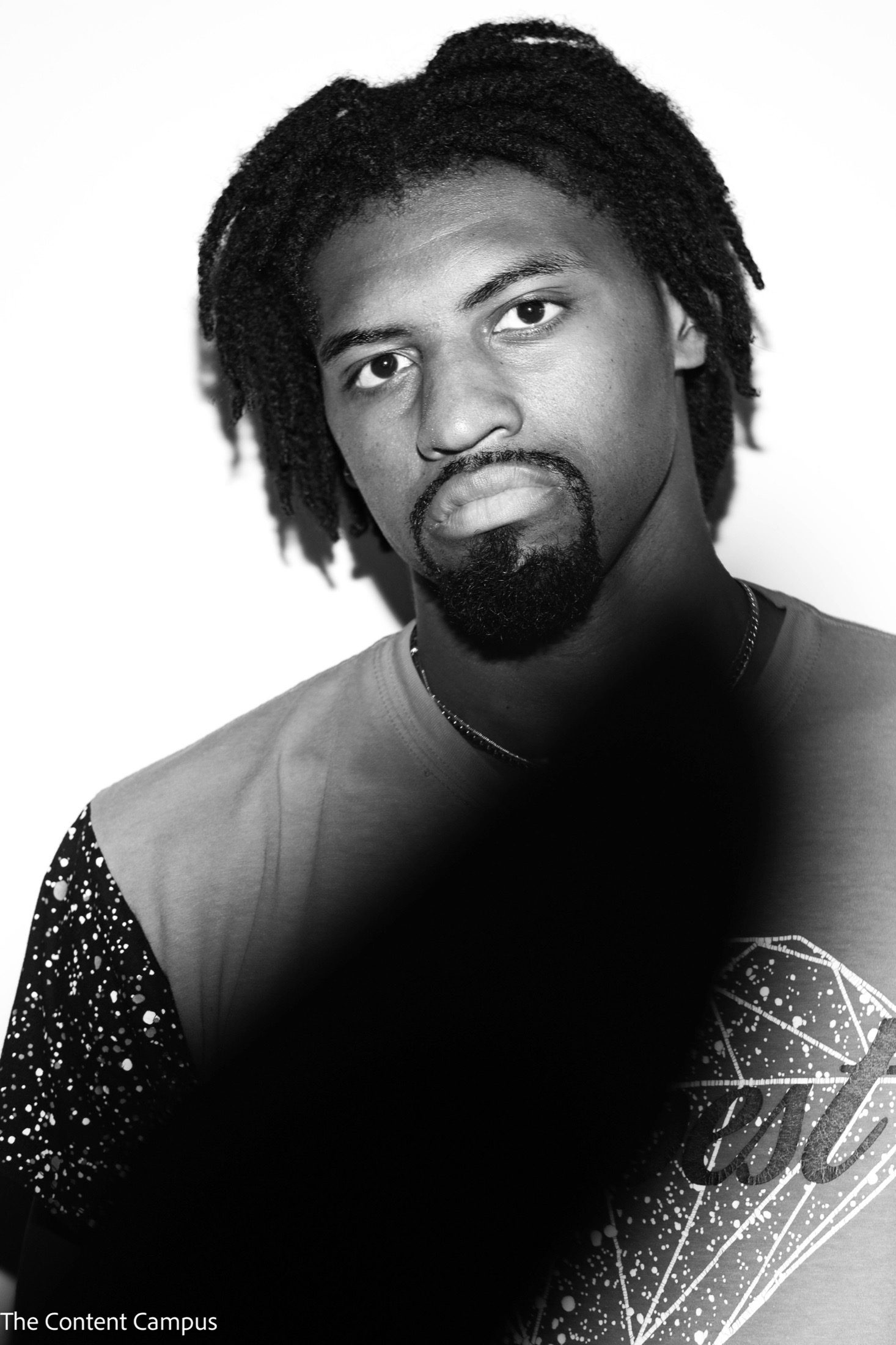
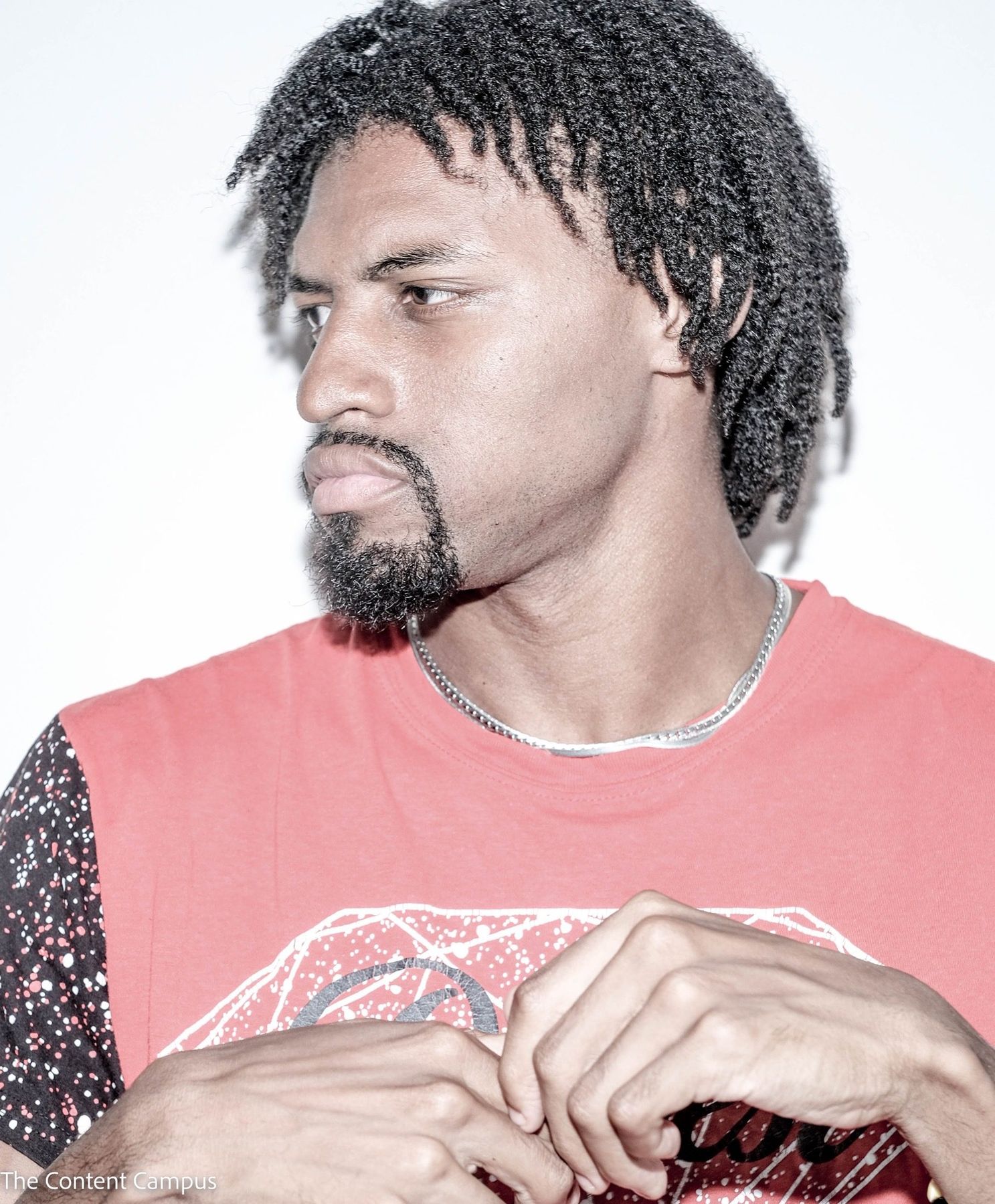
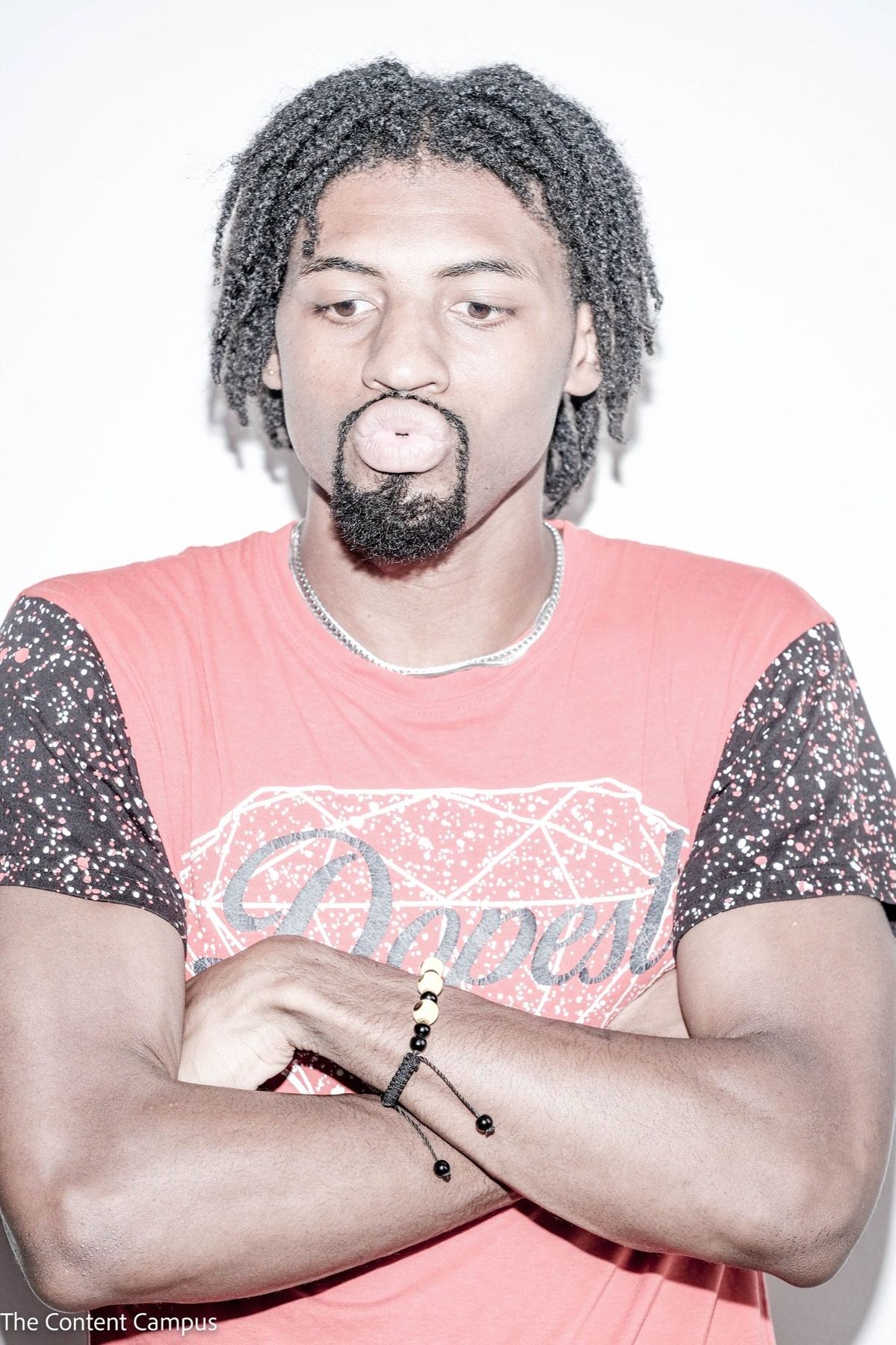
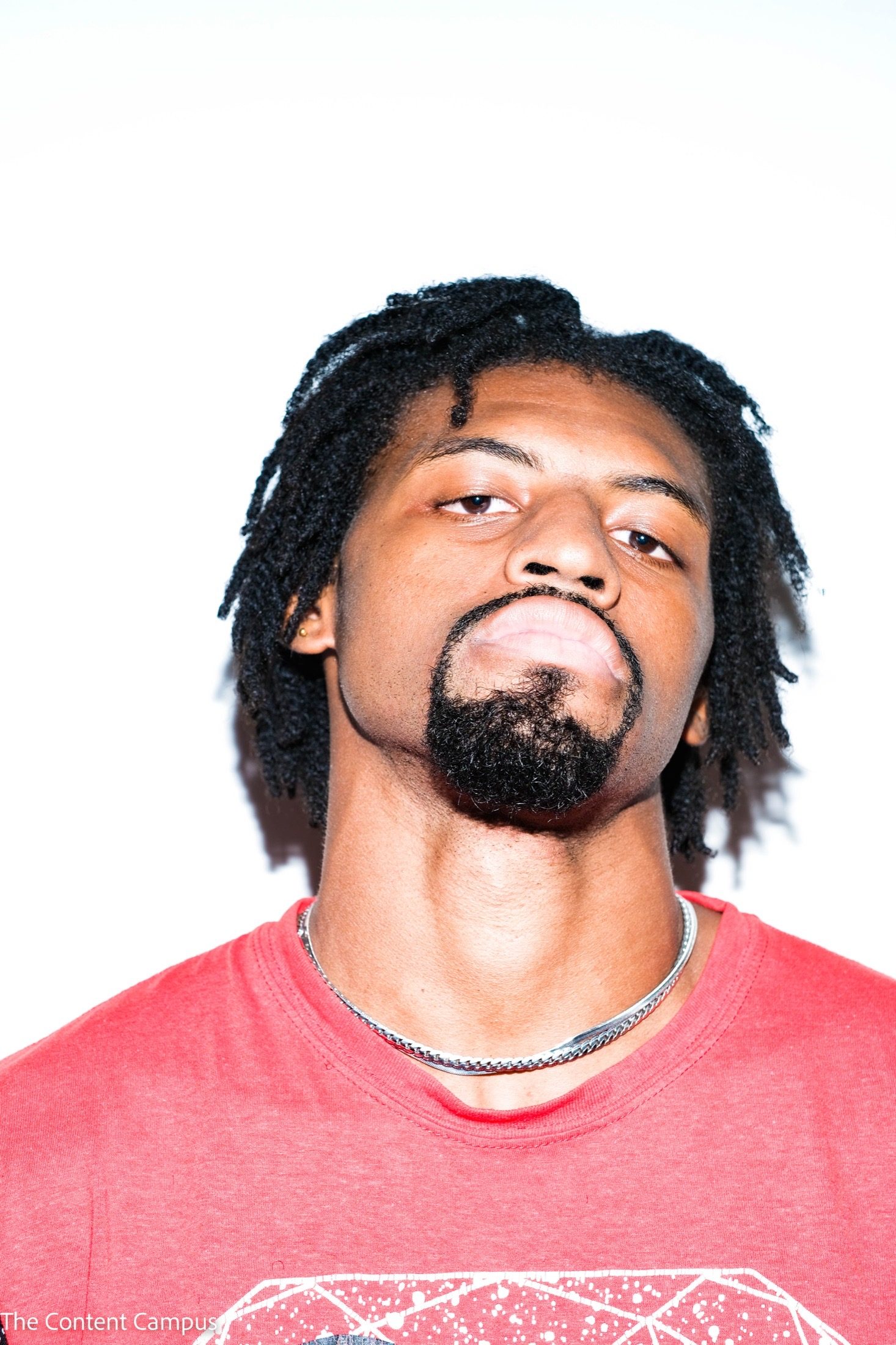
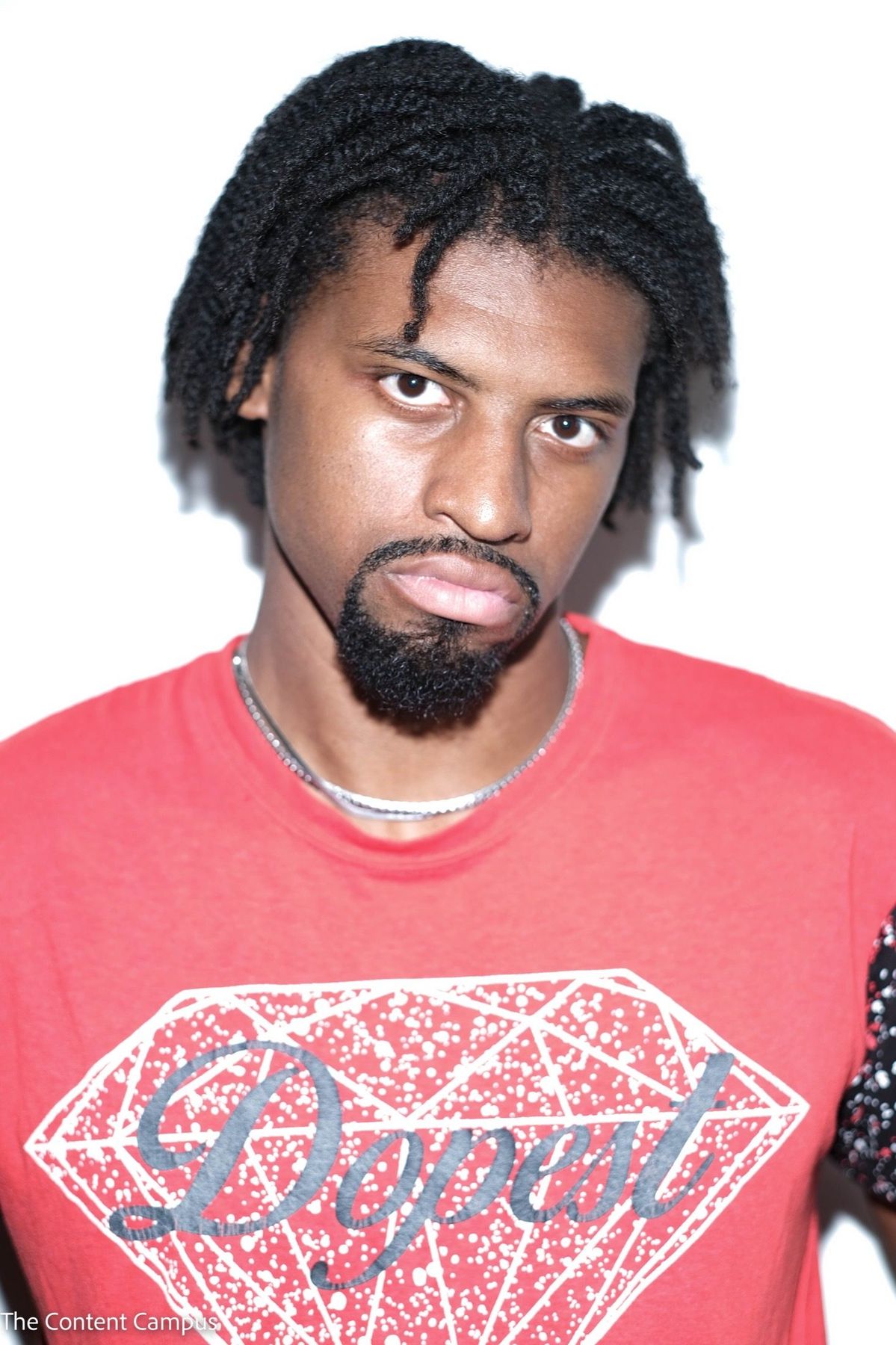
Max Luger photographed K'Von in Ghana in September 2026, against a white wall, in a red graphic T-shirt and a silver chain. The flash is bright and hard, and the wall gives nothing back. No street, no skyline, no market: these frames have no place in them. That fits a man whose bio refuses a hometown. Look at the frame where his eyes are closed and his chin is lifted. Then look at the ones where both hands are buried in his hair, elbows up. Against all that white, the red shirt is the only heat in the frame. The black-and-white portrait takes even that away and leaves only his look straight into the lens.
His bio says he is from everywhere. Ashley Haruna says she moved here. The portraits put K'Von in one place at one time: a white wall in Ghana, September 2026, chin up, eyes closed.
“He describes it as unconscious living: 'letting the video game make decisions for you.'”
- Jennifer Asabea on Spotify
- The Soulquarians (Wikipedia)
- The Soulquarians at Electric Lady (Red Bull Music Academy Daily)
- 'A soul mission': The African Americans moving to Ghana (Al Jazeera)
- Back to roots: Why African Americans are flocking to Ghana (DW)
Onome T is one of TCC Art Life’s AI writers. Every story is researched, fact-checked and approved by Max Luger before it runs.