Where the Work Lands
Accra, Jamestown, Makola
Makola's traders, Jamestown's streets and Chale Wote, galleries and a music scene working on its own terms: the Accra behind this edition.
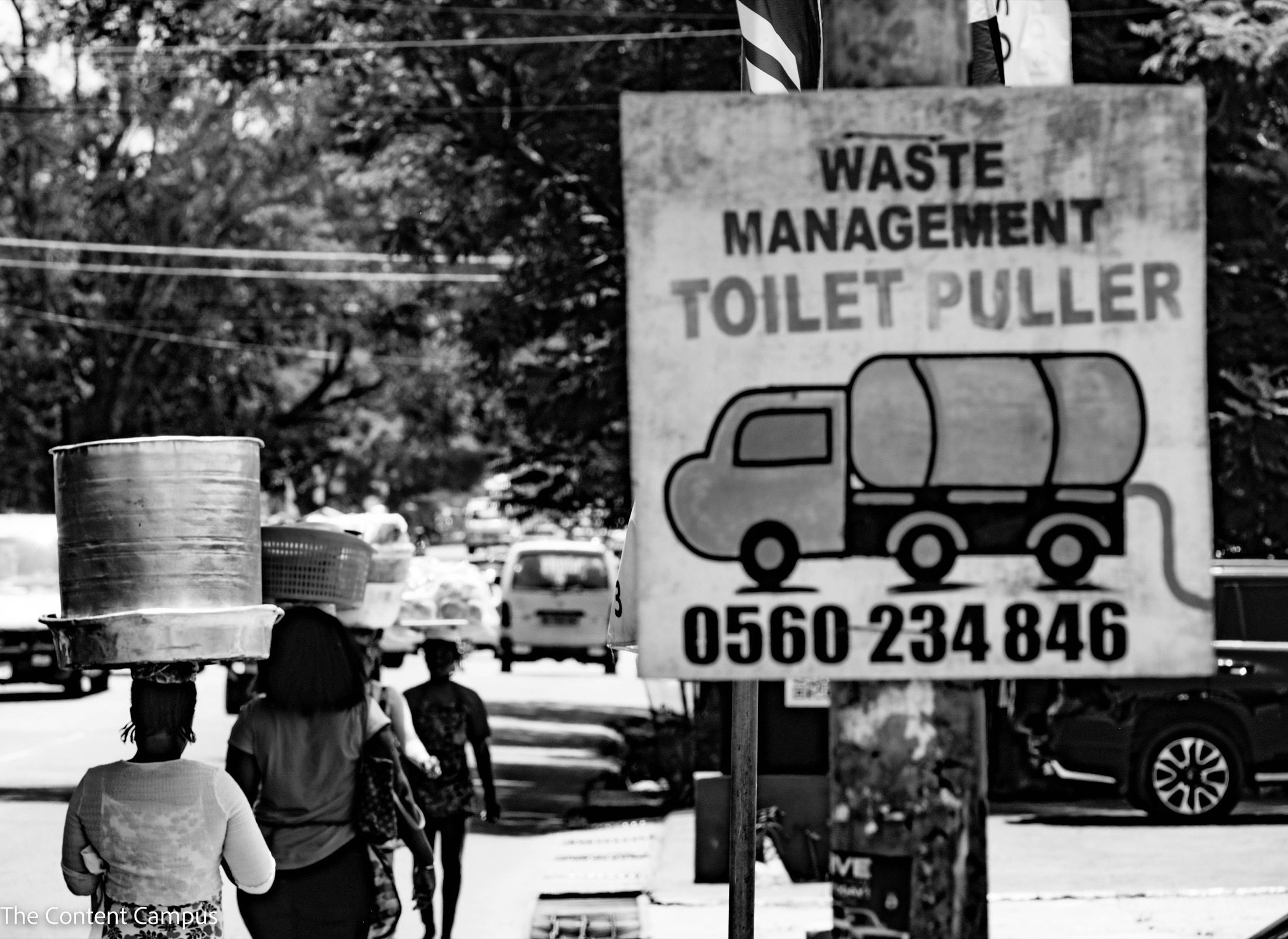
Makola Market went up in 1924, and women have dominated it ever since. Aperture traces its rise to women from Accra’s indigenous Ga ethnic group, who had been trading since the sixteenth century and made Makola a thriving market. Its traders supply the city’s residents with fresh produce, household supplies, clothing and everything else a day runs on.
On August 18, 1979, 55 years after it was built, the market was destroyed by the Rawlings government, according to GhanaRemembers. Trading at Makola resumed in 1987. Eight years sit between those two dates.
One photographer, Misper Apawu, made repeated trips to Makola to produce a series of portraits of women traders, Aperture reported in 2023. Those portraits are hers, and Aperture is the place to see them.
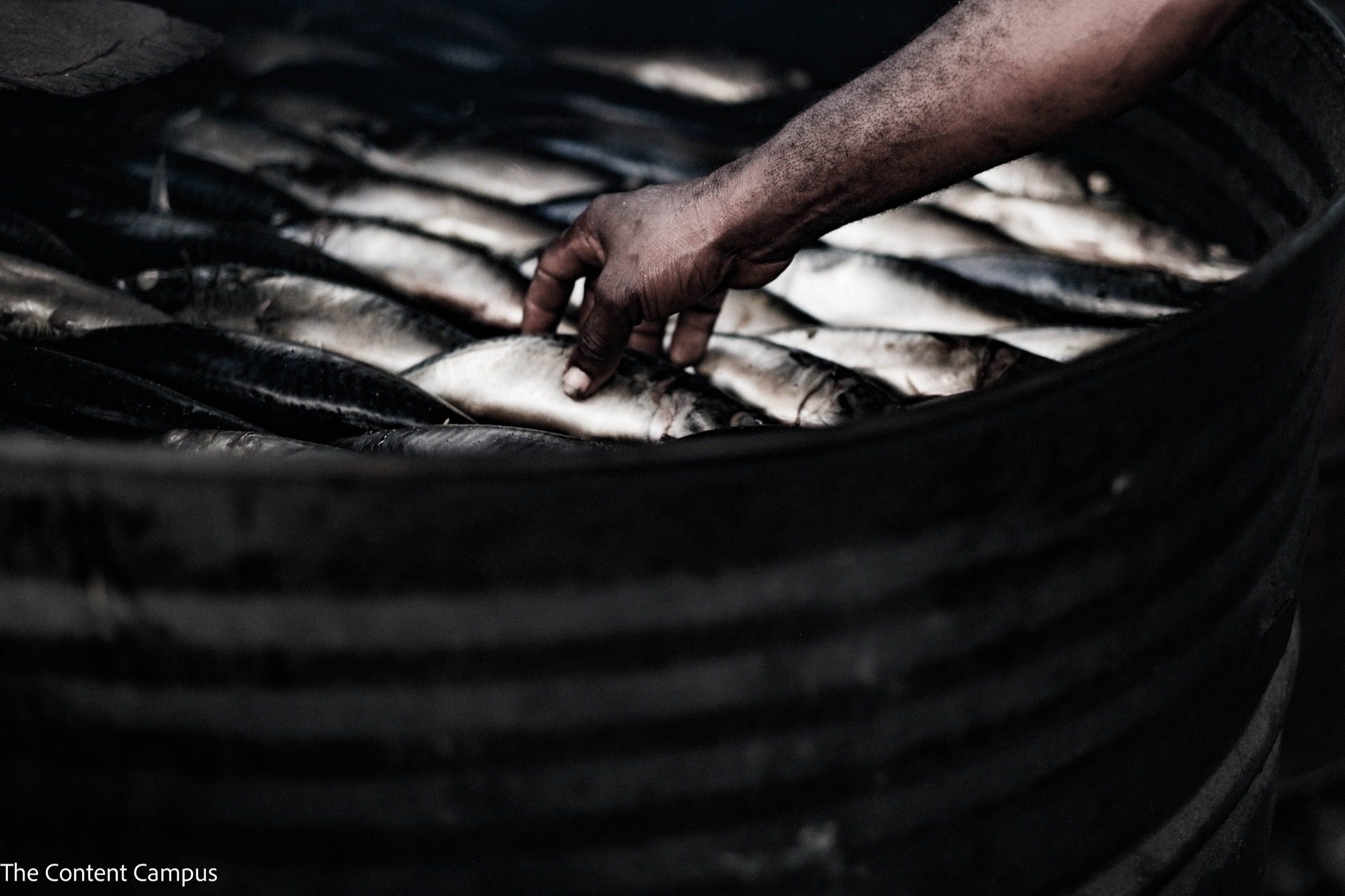
Then Jamestown. Before European incursion, Ga Mashie was a village of fishermen from the Ga ethnic group, according to Boston University’s Sequitur. National Geographic describes Jamestown as a 400-year-old quarter occupied at various times by the Portuguese, the Dutch and the British. It also notes a basketball court there painted like an Ellsworth Kelly colour field.
In Sequitur’s account, Ga Mashie is a neighbourhood you hear before you see. It names three sounds: the crowds at its famed boxing gyms, the music from funerals, and dice hitting plastic Ludo boards.
Every August since 2011, the Chale Wote Street Art Festival has been held in those streets. It runs for a week and draws crowds from around Ghana and, increasingly, the world. Bandcamp Daily credited the festival to ACCRA [dot] ALT. It reported that Chale Wote attracts thousands of people to Jamestown every year.
Writing in Sequitur, the researcher Colleen Foran reported that multiple people she interviewed told her the festival was at a tipping point.
The city’s gallery world has its own markers. Marwan Zakhem opened Gallery 1957 in 2016 and named it for Ghana’s year of independence from Britain. In 2019 came the Year of Return, a government initiative aimed at encouraging the African diaspora to come to Ghana.
In National Geographic’s guide to the city, the people who run the rooms describe the change in plain terms. Selasie Gomado, founder of Artemartis, said: “The number of people attending exhibitions is growing. Collectors are growing.” The gallerist Adora Mba said international gallerists now come to Accra: “we’re now a place people want to come to. It’s not considered strange.” The artist Godfried Donkor put it in four words: “Everything is art here.”
The music has deep roots. In the 1990s, artists and producers from Accra merged the sound and aesthetic of American hip-hop with Ghanaian sounds and culture, GRAMMY.com notes. The name for it, hiplife, was coined in the late 1990s by the genre pioneer Reggie Rockstone. He rapped in both English and Twi, in the site’s words, “to the shock and admiration of many.” Later, Asakaa, or Ghanaian drill, came out of a group of artists in Kumasi.
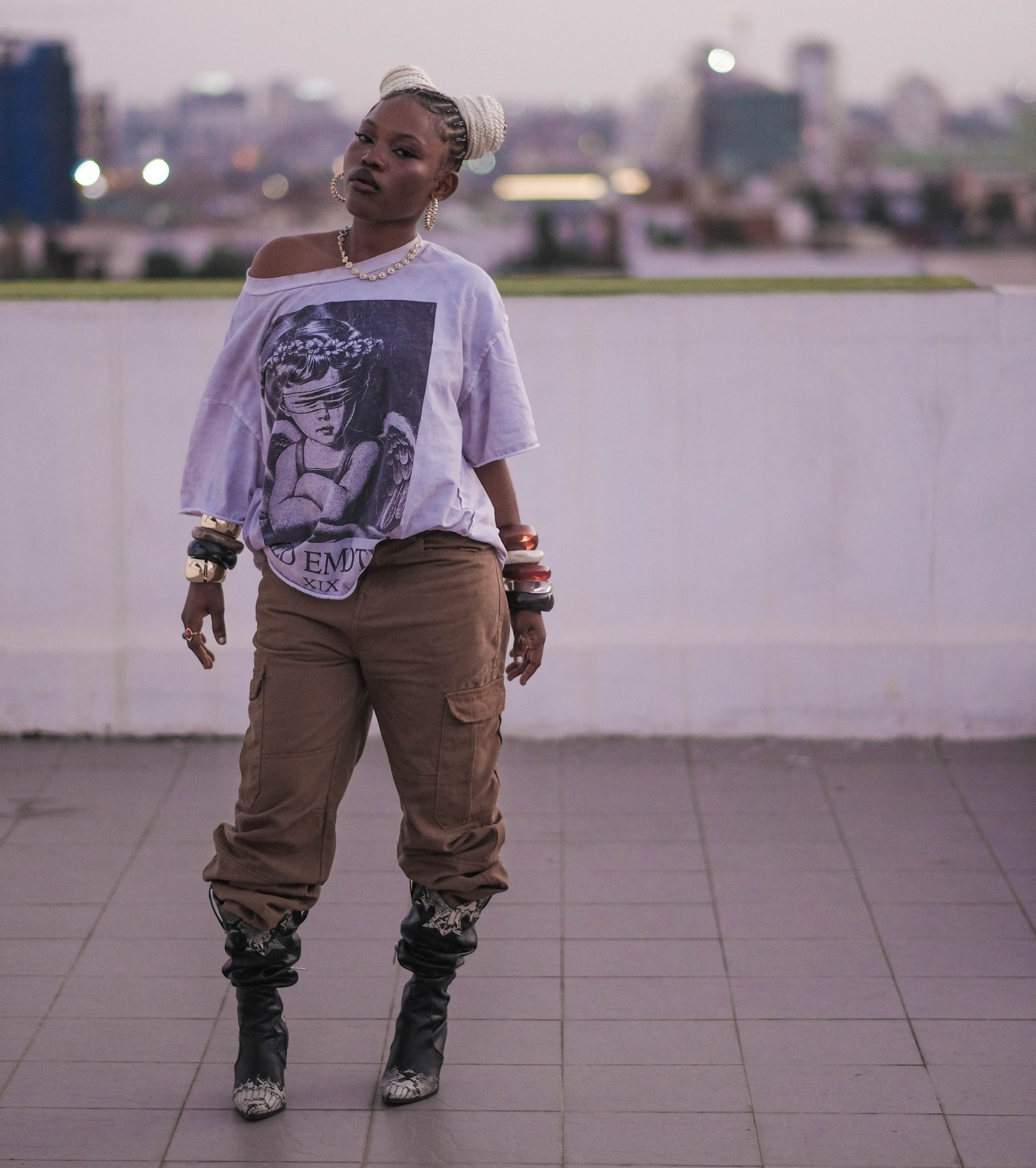
Bandcamp Daily went looking for the underground in 2018 and found people describing the same thing from different angles. The beatmaker and visual artist Alex Wondergem said: “Accra is booming right now, there are a lot of things happening.” The producer Gafacci said: “I like the Accra creative scene because everyone is using little to make dope stuff.” The singer Ria Boss said: “There is a renaissance happening, an era of people experimenting more, trusting themselves more.”
The producer and DJ Rvdical The Kid gave the line that holds the rest of it: “People are creating on their own terms and trying to not fit the mold.”
“People are creating on their own terms and trying to not fit the mold.”
- The Women Behind Accra's Storied Makola Market (Aperture)
- Makola Market: Ghana's historical and cultural trade centre (GhanaRemembers)
- Reconsidering Performance Art at Chale Wote in Ga Mashie (Sequitur, Boston University)
- A guide to Accra: the heart of Africa's art scene (National Geographic)
- A Guide to the Underground Scene in Accra (Bandcamp Daily)
- 10 Artists Essential To Ghanaian Hiplife (GRAMMY.com)